The global nonwovens market is gaining momentum, with many new trends worth noting.

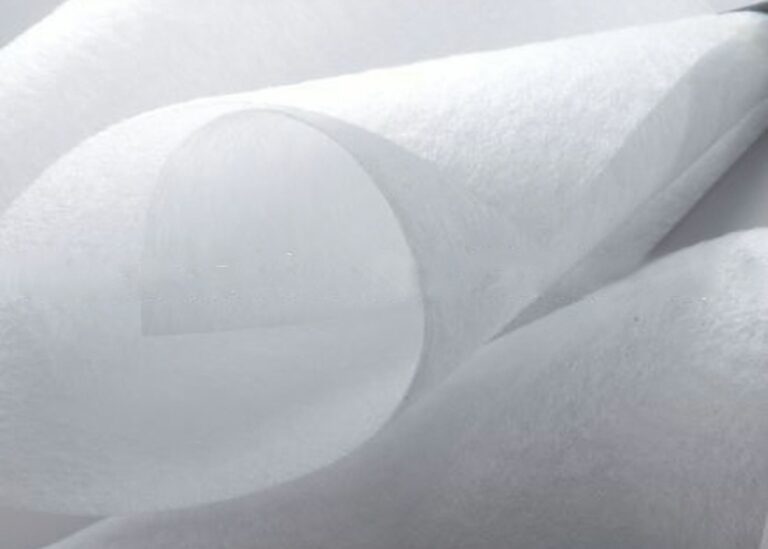
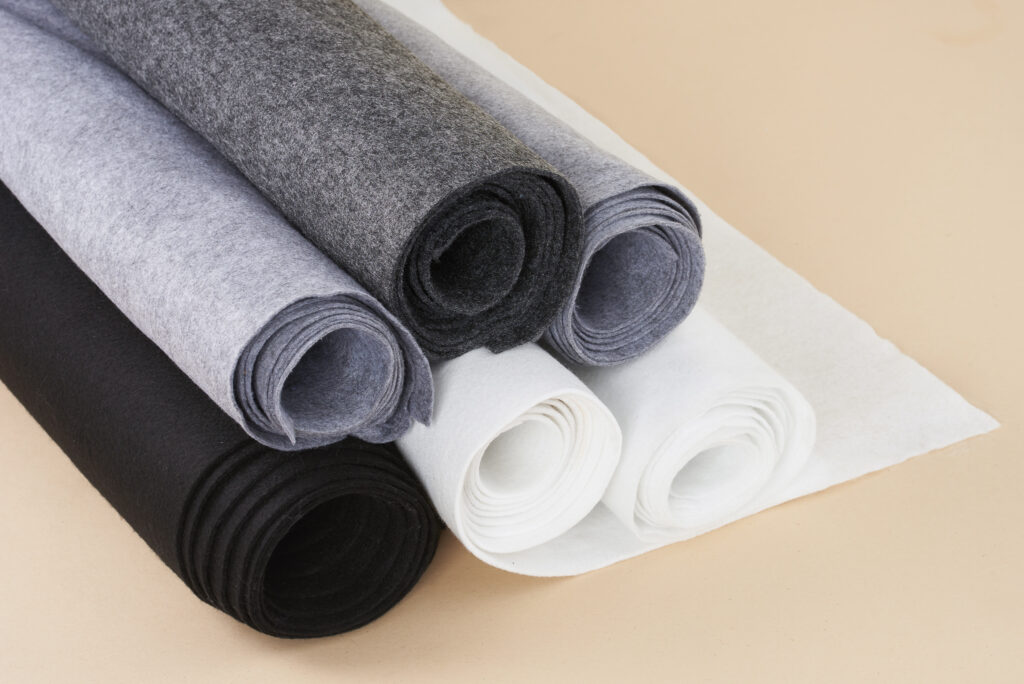
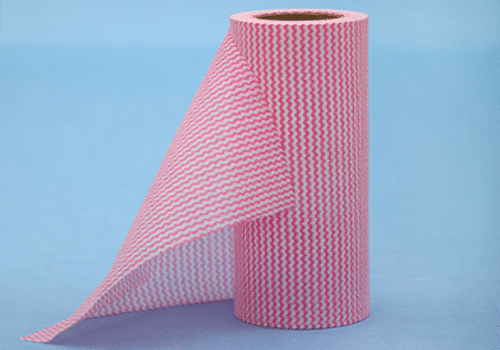
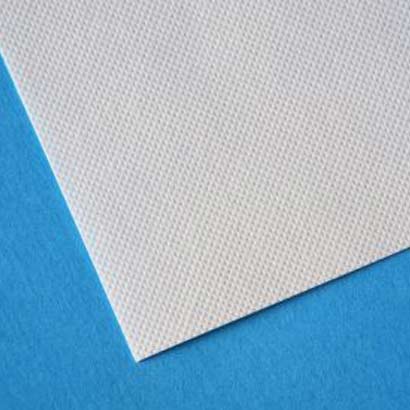
Nonwoven fabrics, thanks to their versatility, durability, and cost-effectiveness, have become indispensable materials across numerous industries. Driven by technological advancements, growing demand from downstream industries, and increasing consumer demand for sustainable and environmentally friendly materials, the application of nonwovens continues to expand, encompassing healthcare, hygiene, automotive, construction, and agriculture. The global nonwovens market is experiencing robust growth, driven not only by technological innovations that improve product quality and efficiency, but also by the growing demand for sustainable alternatives and the continued expansion of application areas across various industries.


a. Spunbond Technology

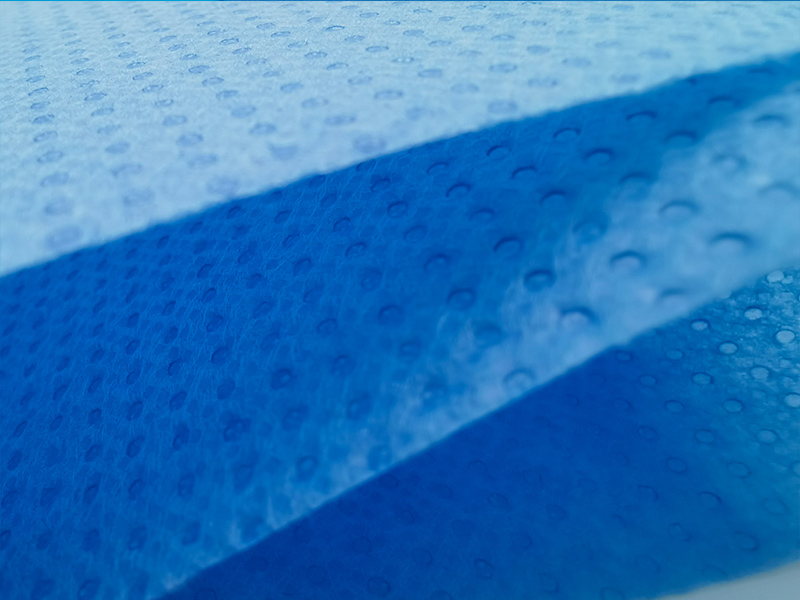
The production process for spunbond nonwovens involves extruding thermoplastic polymers into continuous filaments, which are then bonded together to form a fabric. Recent innovations in spinning technology, such as multiaxial spinning and bicomponent spinning, have enabled manufacturers to produce nonwovens with increased strength, a more uniform texture, and a softer feel.


b. Meltblown Technology

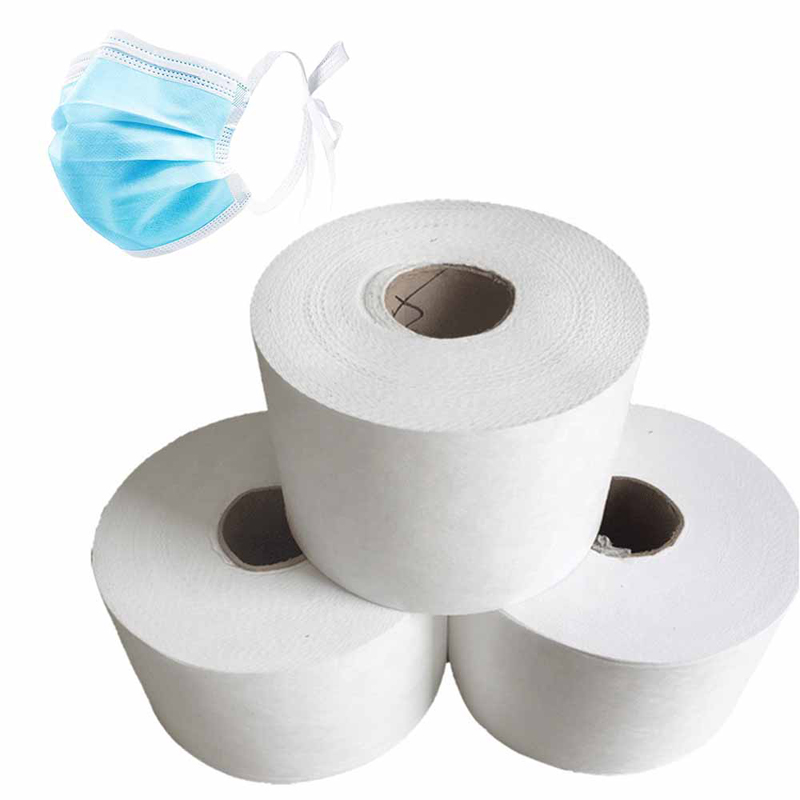
The production process for meltblown nonwovens involves extruding molten thermoplastic polymer through fine nozzles. The fibers then rapidly cool and solidify, ultimately forming a web. Advances in meltblown technology have enabled the production of ultrafine fibers, resulting in nonwovens with excellent filtration properties. These materials have a wide range of applications, including healthcare, personal protective equipment (such as masks), and air filtration.


c. Composite Technology

Composite nonwovens are highly sought after because they achieve superior performance through the ingenious combination of multiple layers of fibers. Using composite technology, researchers have successfully created nonwovens with customized properties, such as breathability, absorbency, and barrier properties. These materials are used in a wide variety of applications, including hygiene products, medical textiles, and geotextiles.


d. Sustainable Technologies

Given the growing importance of environmental issues, market demand for sustainable nonwovens made from renewable or recycled materials continues to grow. Advances in green chemistry, bio-based polymers, and recycling technologies are enabling manufacturers to introduce environmentally friendly nonwovens with a smaller carbon footprint and increased biodegradability.


With technological innovation and continued growth in end-use industry demand, the nonwovens market faces new challenges and opportunities. The introduction of digitalization, automation, and data analytics technologies has not only improved nonwovens production efficiency but also optimized quality control and customization capabilities. Industrial technologies such as artificial intelligence, the Internet of Things, and robotics are increasingly being integrated into production processes to meet the growing demand for customized nonwoven solutions.


The nonwovens market is booming. Driven by breakthroughs in spinning, meltblowing, and laminating technologies, manufacturers are actively launching innovative nonwovens solutions tailored to specific applications and market needs. With the growing adoption of sustainable development concepts, the industry is committed to developing environmentally friendly materials and adhering to circular economy principles to minimize environmental impact. Looking ahead, as the market continues to evolve, strategic collaboration, digital transformation, and market consolidation are expected to become key drivers of industry growth, creating greater potential for growth and innovation in the global nonwovens industry.

The nonwoven fabric market is projected to grow at a compound annual growth rate of 5.5% over the next decade.

Nonwoven Fabrics Market Overview:


The global nonwoven fabrics market is experiencing robust growth, primarily driven by increasing demand from industries such as healthcare, hygiene products, automotive, and construction. According to a detailed assessment by Persistence Market Research (PMR), the market is projected to grow at a CAGR of 5.5% between 2025 and 2032, reaching a market size of US$80.8 billion by the end of the forecast period. Nonwoven fabrics are engineered materials made by bonding fibers together through chemical, mechanical, or thermal processes. Due to their versatility, cost-effectiveness, and environmental friendliness, nonwoven fabrics have become an indispensable part of modern manufacturing.


In terms of product categories, spunbond nonwovens dominate the global market due to their lightweight, durability, and wide application in areas such as medical textiles, packaging, and filtration. Geographically, the Asia-Pacific region leads the global market with the largest share, primarily driven by its booming textile industry, rapid urbanization, and increasing demand for disposable hygiene products in countries like China and India. Government policies promoting sustainable textile production are further fueling the expansion of regional markets.


Key Takeaways:


The global nonwoven fabric market is projected to reach US$80.8 billion by 2032, with a CAGR of 5.5%.


The Asia-Pacific region dominates the market, primarily due to its large-scale industrialization and high consumption of hygiene products.


Spunbond nonwovens remain the leading product category due to their superior strength and wide range of applications.


The healthcare and hygiene products industry holds the largest market share, particularly in medical consumables and hygiene products.


The growing demand for sustainable, biodegradable nonwovens is reshaping the industry landscape.


Major companies are focusing on capacity expansion and advanced fiber technologies to solidify their market positions.


Market Segmentation:


The nonwoven fabric market is segmented by product type, material, technology, and end-use industry. By product type, spunbond nonwovens, meltblown nonwovens, and needle-punched nonwovens are the main categories. Spunbond nonwovens offer excellent strength-to-weight ratio and cost-effectiveness, and are widely used in packaging, medical textiles, and geotextiles. Meltblown nonwovens, renowned for their fine fiber structure and filtration efficiency, are increasingly used in masks and air filters, while needle-punched nonwovens are favored by the automotive interior and carpet industries.


In terms of end-use applications, the hygiene and medical industry dominates the market, followed by the automotive, construction, and packaging industries. The growing popularity of nonwovens in disposable products such as diapers, wipes, and medical protective clothing continues to drive global consumption. Meanwhile, the automotive industry is applying nonwovens to lightweight components and sound insulation materials to improve energy efficiency and sustainability.


Regional Insights:


The Asia-Pacific region is the world's largest and fastest-growing nonwovens market, primarily driven by rapid industrialization, population growth, and the expansion of healthcare infrastructure. China, Japan, and India are major contributors, benefiting from their strong production capacity, government support for textile innovation, and increasing hygiene awareness.


In contrast, the North American and European markets are experiencing steady growth, mainly due to the widespread adoption of sustainable materials and stringent environmental regulations. The United States and Germany remain important markets, with ongoing innovation in filtration and automotive applications. Emerging regions such as the Middle East and Africa are also showing strong momentum due to increased urban development and construction activities.


Market Drivers:


The main driver of market growth is the increasing demand for hygiene and medical products, such as surgical masks, protective clothing, and baby diapers. The COVID-19 pandemic accelerated the application of nonwovens in healthcare, establishing a long-term demand base. Furthermore, increasing consumer awareness of personal hygiene and health safety continues to drive sales in the hygiene products industry.


Advances in fiber bonding and mesh forming technologies have also improved the performance of nonwovens, making them an ideal alternative to traditional textiles. Furthermore, the increasing emphasis on lightweight, recyclable, and biodegradable fabrics by industries such as packaging and automotive aligns with global sustainable development goals, driving market expansion.


Market Restraints:


Despite steady growth in the nonwovens industry, several challenges remain, including volatile raw material prices, particularly for petroleum-based polymers such as polypropylene and polyester. These price fluctuations significantly impact manufacturers' production costs and profit margins.


In addition, environmental concerns related to the disposal of synthetic nonwoven materials present regulatory challenges, prompting producers to turn to bio-based alternatives. Insufficient awareness of nonwovens in some developing regions, coupled with the high investment costs associated with advanced production technologies, may further inhibit market growth.


Market Opportunities:


The growing focus on environmentally friendly and sustainable nonwovens presents significant growth opportunities. Manufacturers are actively investing in biodegradable fibers and recyclable polymers to meet evolving consumer preferences and government regulatory requirements. Innovative technologies such as nanofiber nonwovens and smart textiles are also opening new avenues for applications in fields such as filtration, medical, and protective clothing.


Conclusion:


The global nonwovens market is entering a transformative era characterized by sustainability, technological innovation, and diversified applications. As industries increasingly prioritize hygiene, safety, and environmental responsibility, the applications of nonwovens, as an indispensable part of modern manufacturing, are continuously expanding.


From advanced filtration systems and eco-friendly packaging to automotive interiors and medical consumables, the versatility of nonwovens underscores their growing importance in the global economy. Leading companies in the Asia-Pacific region are actively driving innovation in biodegradable and high-performance fabrics, and the market is projected to maintain strong growth, reaching $80.8 billion by 2032.

What are the raw materials for nonwoven fabrics?

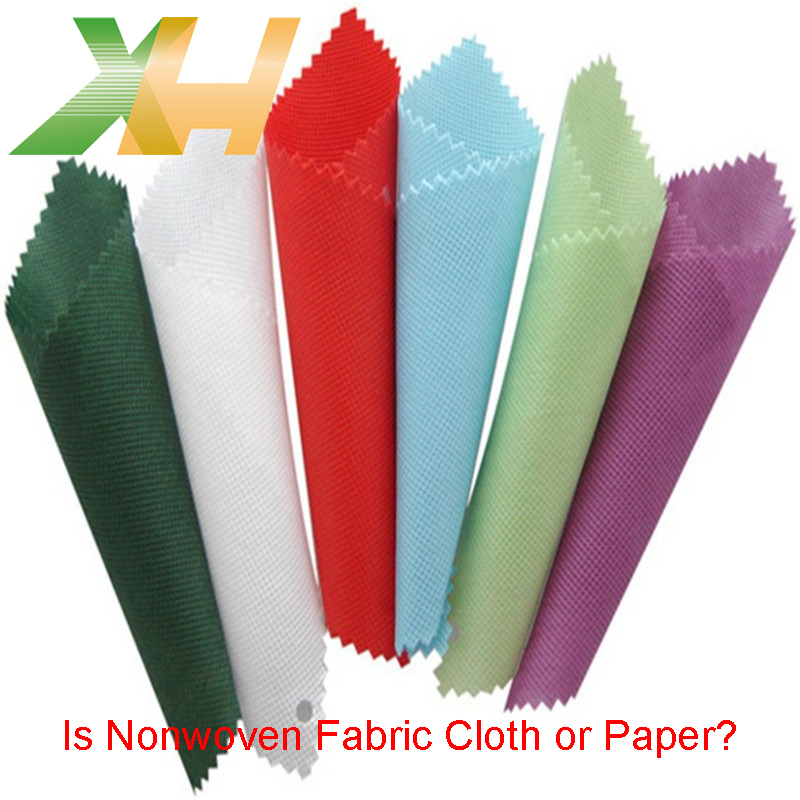
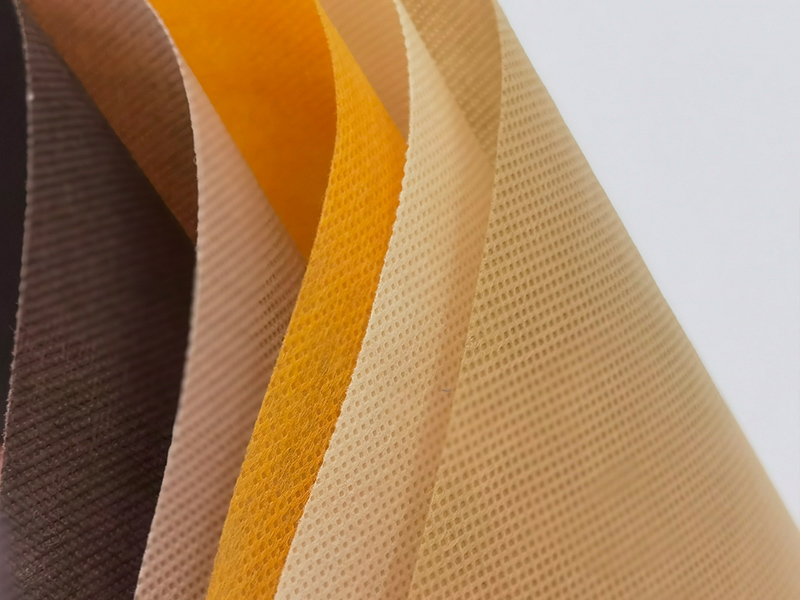
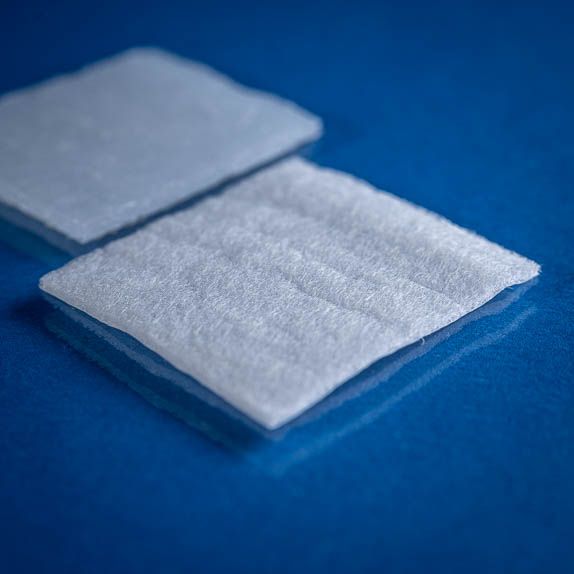
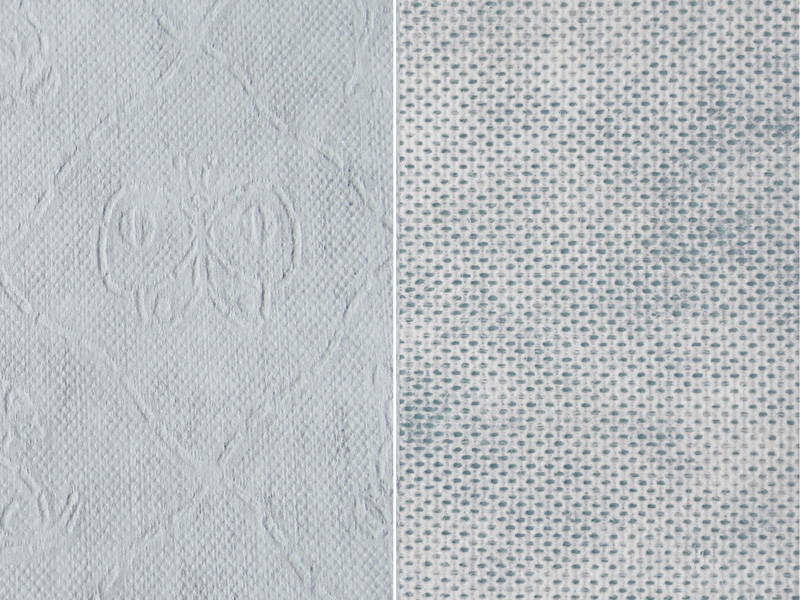
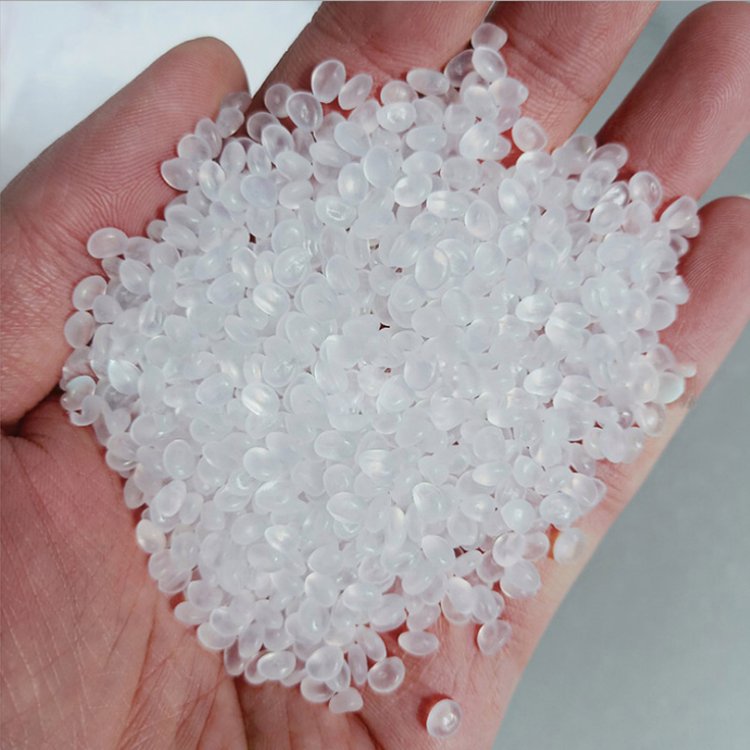
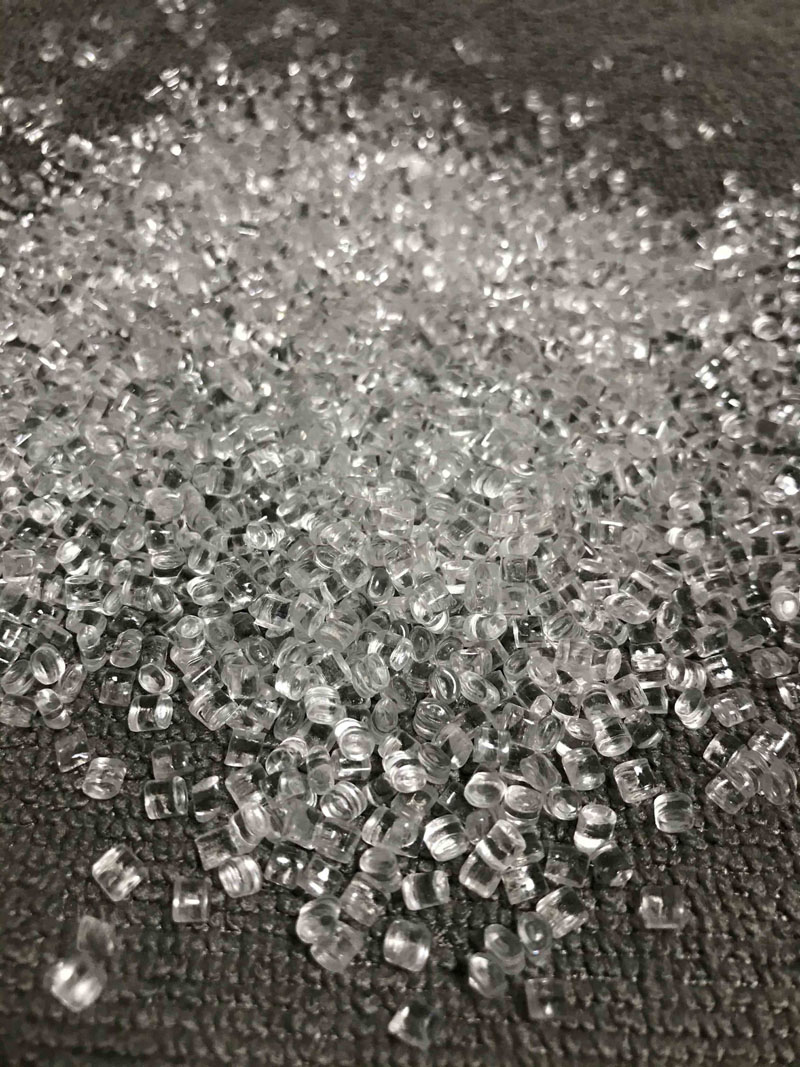
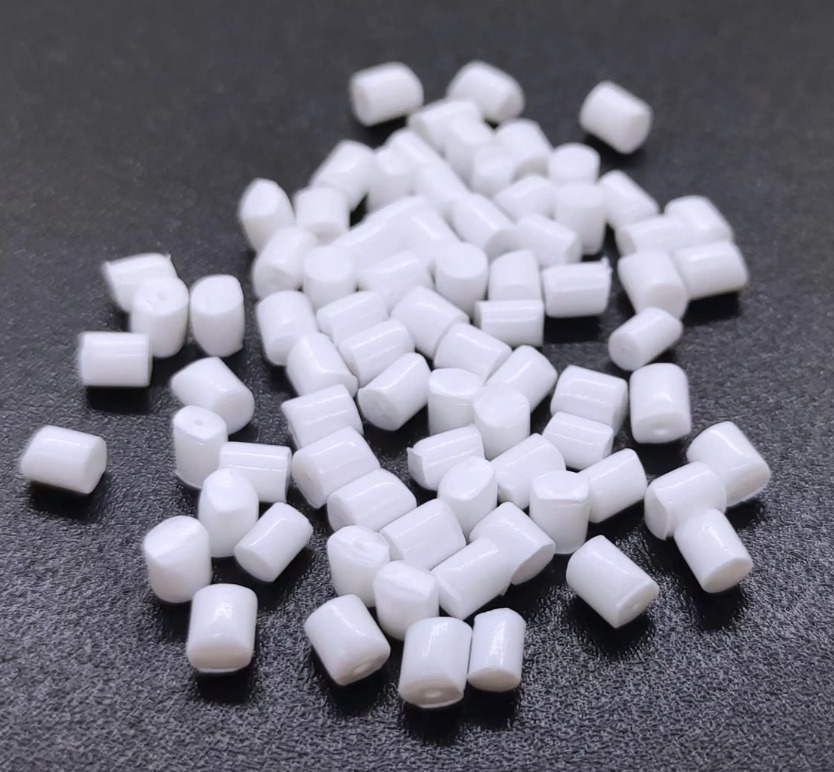
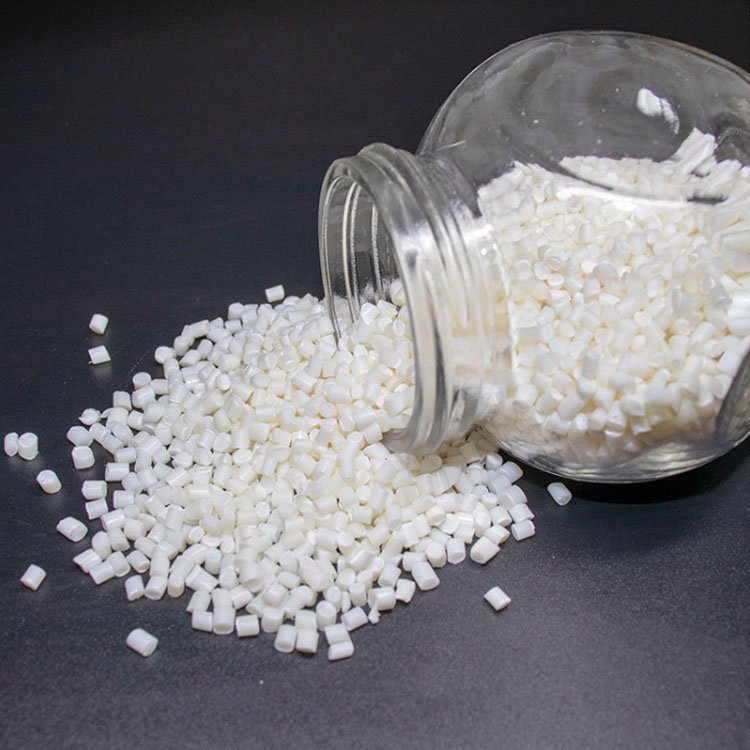
Nonwoven fabric is a new type of environmentally friendly material. Its raw materials mainly include polypropylene, polyester, and polyamide. Nonwoven fabric is a nonwoven fiber material; it is not a fabric spun from textile fibers, but rather a new type of fiber material with specific uses formed by directly bonding fibers together using chemical or physical methods.

Polypropylene (PP Non Woven Fabric) is one of the main raw materials for nonwoven fabric. Polypropylene is a thermoplastic resin with good abrasion resistance, acid and alkali resistance, and high-temperature resistance, making it very suitable for making nonwoven fabrics. Polypropylene fibers have high strength and abrasion resistance, as well as good waterproof properties, thus it is widely used in medical and health, household goods, footwear, bags, agriculture, and other fields.

Polyester (Polyester Nonwoven Fabric) is also an important raw material for making nonwoven fabric. Polyester fibers have high tensile strength and elastic modulus, as well as good abrasion resistance and chemical corrosion resistance, making them suitable for making nonwoven fabrics. Polyester fiber nonwoven fabrics have good breathability and moisture absorption, as well as good high-temperature resistance, thus they are widely used in clothing, household goods, and filter materials.

Polyamide (PA) is another important raw material for nonwoven fabrics. Polyamide fibers possess good strength and abrasion resistance, as well as good softness and elasticity, making them suitable for nonwoven fabric production. Polyamide fiber nonwoven fabrics have a good hand feel and breathability, while also exhibiting good abrasion resistance and high-temperature resistance, thus finding wide application in clothing, home furnishings, and automotive interiors.

Polylactic acid (PLA non-woven fabric) is a new type of environmentally friendly raw material for nonwoven fabrics. It is a biodegradable and biocompatible thermoplastic polyester made from renewable resources such as corn starch or sugarcane. PLA nonwoven fabrics possess breathability, antibacterial properties, and biodegradability, making them highly suitable for widespread application in clothing packaging, medical, and agricultural fields.

In general, the main raw materials for nonwoven fabrics include polypropylene, polyester, polyamide, and polylactic acid. These raw materials each have unique characteristics and advantages. Through reasonable combination and processing, various nonwoven products can be manufactured for a wide range of applications, including medical and health products, home furnishings, clothing, bags, agriculture, and automobiles. With continuous technological advancements and innovations, the raw materials for nonwoven fabrics are constantly being enriched and improved, providing a more reliable guarantee for the performance and quality of nonwoven fabric products.

Advanced Welding Protection MAG Welding & PAPR Maintenance

In part 1, we covered TIG/MIG-PAPR matching. Now, let’s tackle MAG (Metal Active Gas Welding)—a heavy-duty process for steel bridges or construction equipment. It uses argon-CO₂ mixes, creating 3–5x more fumes than TIG, plus toxic CO and nitrogen oxides. We’ll also share universal PAPR rules to keep your protection reliable.

MAG Welding: "Heavy-Duty Hazards" Need "Heavy-Duty PAPRs"

MAG’s triple threats (high fumes, toxic gases, harsh environments) demand PAPRs with:
  • Combination filters: HEPA for dust + activated carbon for CO/NOₓ (critical for enclosed shops);
  • Hooded facepieces: Cover shoulders to block wind-blown fumes (key for outdoor jobs like bridge work);
  • Rugged design: Vibration-resistant fans (MAG welds vibrate heavily) and swappable batteries (for 8-hour outdoor shifts without power).

Universal PAPR Selection: 3 Simple Steps

Don’t pick by brand or price—follow this:
  1. Hazard type: TIG (gas + light dust) → basic filters; MIG (heavy dust + spatter) → high-airflow/spatter-resistant; MAG (dust + toxins) → combo filters + hoods.
  2. Shift length: ≤2 hours → lightweight PAPRs; ≥4 hours → high-capacity filters/airflow.
  3. Environment: Indoor fixed stations → fixed PAPRs; outdoor/mobile → portable battery-powered models.

PAPR Maintenance: Don’t Let Gear "Fail Silently"

Papr system lose effectiveness if neglected—here’s what to do:
  • Replace filters: TIG (1–2 weeks), MIG (3–5 days), MAG (daily if dirty); swap carbon filters every month or if you smell fumes.
  • Check airflow: Test weekly—TIG/MIG need ≥150 L/min, MAG ≥180 L/min. Clean fan intakes with compressed air if low.
  • Care for facepieces: Wipe fog/oil after use; replace anti-fog films when scratched (fog blocks vision and safety).
From TIG to MAG, PAPRs work best when matched to hazards and maintained well. For welders, a powered air respirator  isn’t just gear—it’s your first line of defense for long-term health.If you want know more, you can click www.newairsafety.com.

PAPR vs. N95 Masks Key Differences & Selection Guide

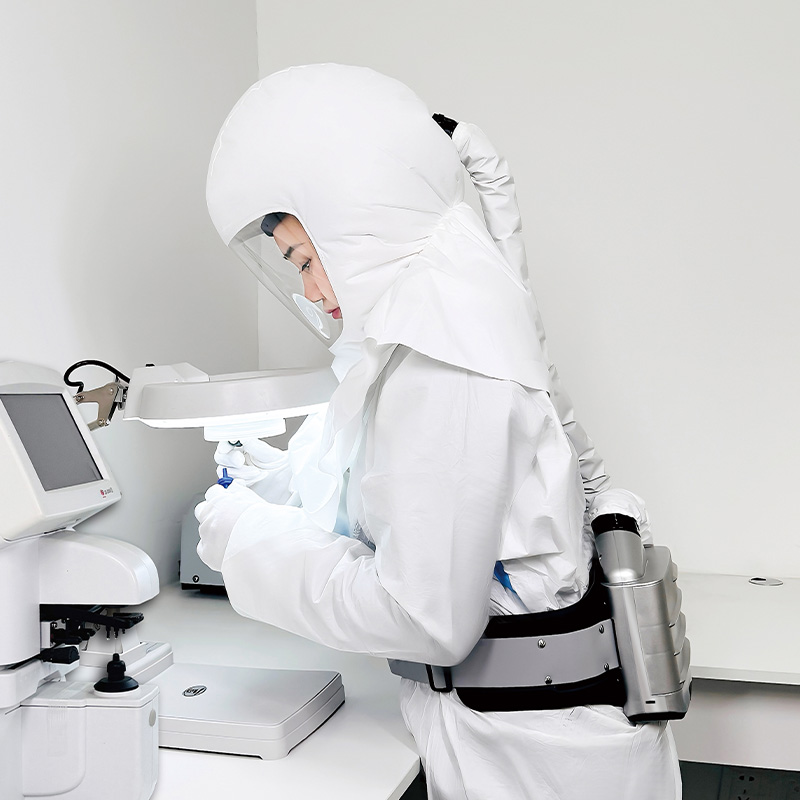
PAPR (Powered Air-Purifying Respirator) and N95 masks are common respiratory protection tools, but their protection logic and use cases differ significantly. The key to choosing lies in "matching risk needs."
In terms of protection principle: N95 is "passive filtration"—it uses non-woven filters to trap ≥95% of non-oil-based particles, driven by the wearer’s inhalation (negative pressure). Its effectiveness depends entirely on a tight fit to the face—gaps render it useless. paprs, by contrast, is "active air-supply": a power unit delivers filtered air into the mask at positive pressure, no tight fit required, and prevents external contaminants from seeping in.
For performance and scenarios: N95 only blocks non-oil-based particles, suitable for low-to-moderate risks (e.g., everyday epidemic prevention, general dust work) and short wear times. papr respirators works with replaceable filters (for particles/toxic gases), offering higher protection. It fits high-risk scenarios (e.g., ICU care, chemical maintenance) or users with facial hair (who can’t get a tight N95 fit).
Comfort varies greatly: N95s require a tight fit, leading to labored breathing and facial marks during prolonged wear. PAPR’s active air-supply eliminates breathing resistance, reduces moisture/heat, and supports over 8 hours of continuous wear—ideal for long shifts.
Cost and management: N95s are mostly disposable—low per-unit cost but high long-term consumption costs, with simple management. PAPR has a high initial cost , but is reusable (only filters/batteries need replacement), lowering long-term costs. However, it needs regular maintenance and user training.
The core of selection: Choose N95 for low-to-moderate risks, short wear, and a tight facial fit. Choose PAPR for high risks, long wear, or poor facial fit. Always conduct a risk assessment first to ensure effective protection.If you want know more, please click www.newairsafety.com.

Welding Safety Basics TIG, MIG, and How PAPRs Protect You

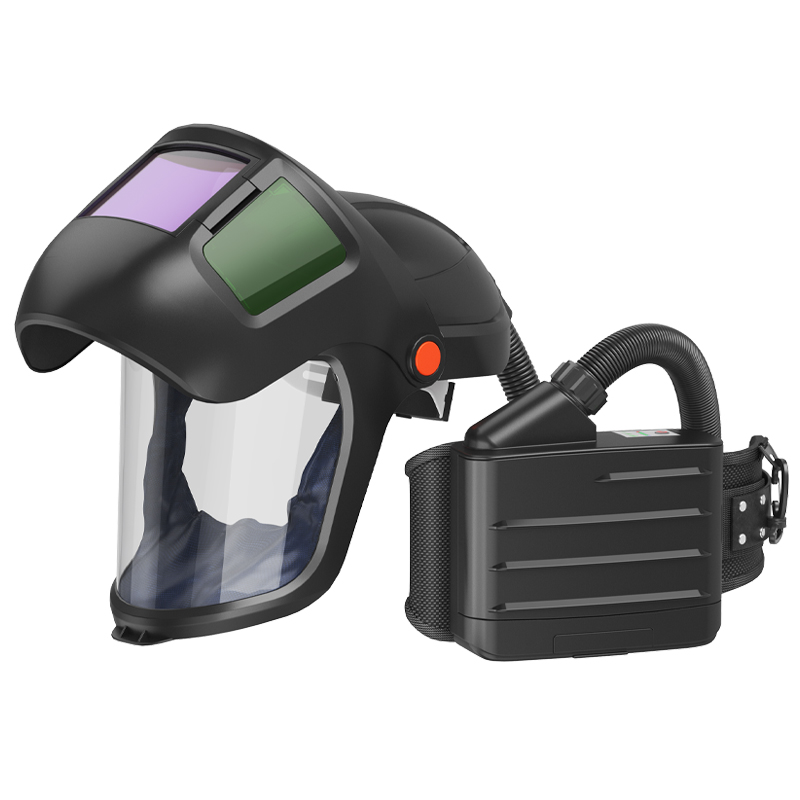
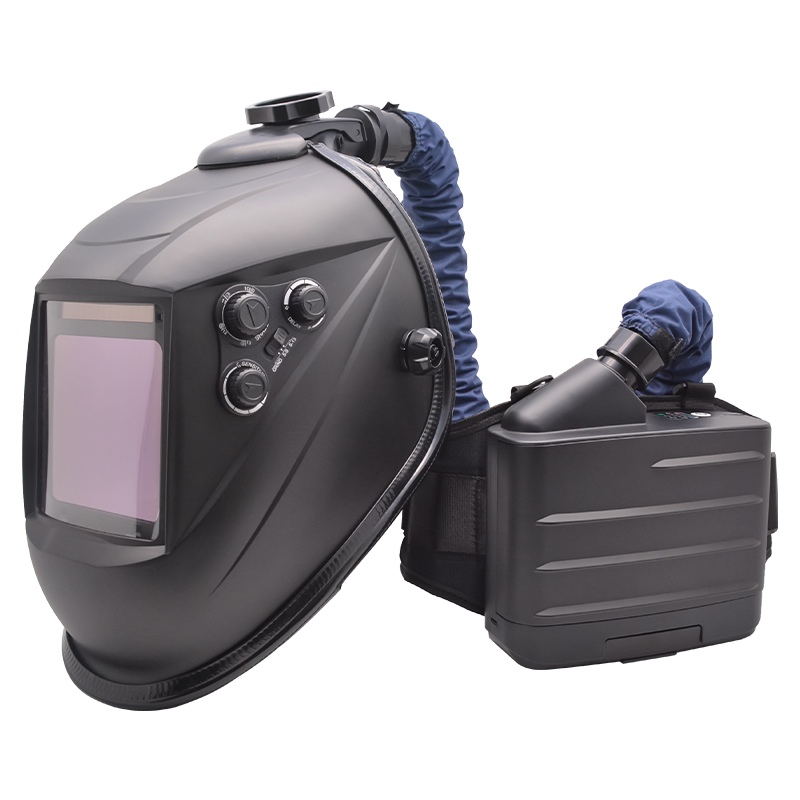
Welding exposes workers to hidden risks—metal fumes, toxic gases (like ozone), and UV radiation— which can cause lung disease, metal fume fever, or even skin damage over time. Regular masks fall short; Powered Air-Purifying Respirators (PAPRs) are game-changers, thanks to their active air supply, high-efficiency filtration, and full-face protection. But papr for welding choice depends on the welding process—here’s how to match them to TIG and MIG.

TIG Welding: Precision Needs "Targeted Protection"

TIG (Tungsten Inert Gas Welding) is ideal for precise work (e.g., stainless steel pipes) but creates unique hazards: argon gas reacts with the arc to form ozone, and worn tungsten electrodes release lung-damaging tungsten dust. Since TIG welders work close to the arc, PAPRs must be lightweight and non-intrusive. Opt for head-mounted PAPRs (under 500g) with flip-up, anti-fog/anti-scratch face shields—they shield eyes from UV rays while delivering filtered air directly to the breathing zone. In enclosed spaces (e.g., pipe interiors), PAPRs also reduce local ozone buildup.
 

MIG Welding: Efficiency Needs "High-Capacity Protection"

MIG (Metal Inert Gas Welding) is fast (used for car bodies or appliances) but generates 2–3x more metal fumes (iron oxide, manganese) than TIG. Continuous welding and hot spatter add more challenges. For MIG, choose PAPRs with:
  • High airflow (≥170 L/min) to prevent stuffiness during long shifts;
  • HEPA 13 filters (traps 99.97% of 0.3μm fumes);
  • Spatter-resistant face shields (silicone-coated to block molten droplets).
     
    Fixed PAPRs (host mounted nearby, connected via hoses) work best for assembly lines—they cut weight on the welder and support 8-hour shifts without filter changes.Next up: MAG welding (the "toughest" process) and welding air respirator maintenance tips to keep your gear effective.If you want know more, please click www.newairsafety.com.

Tips for Maintaining Nail Art Brushes

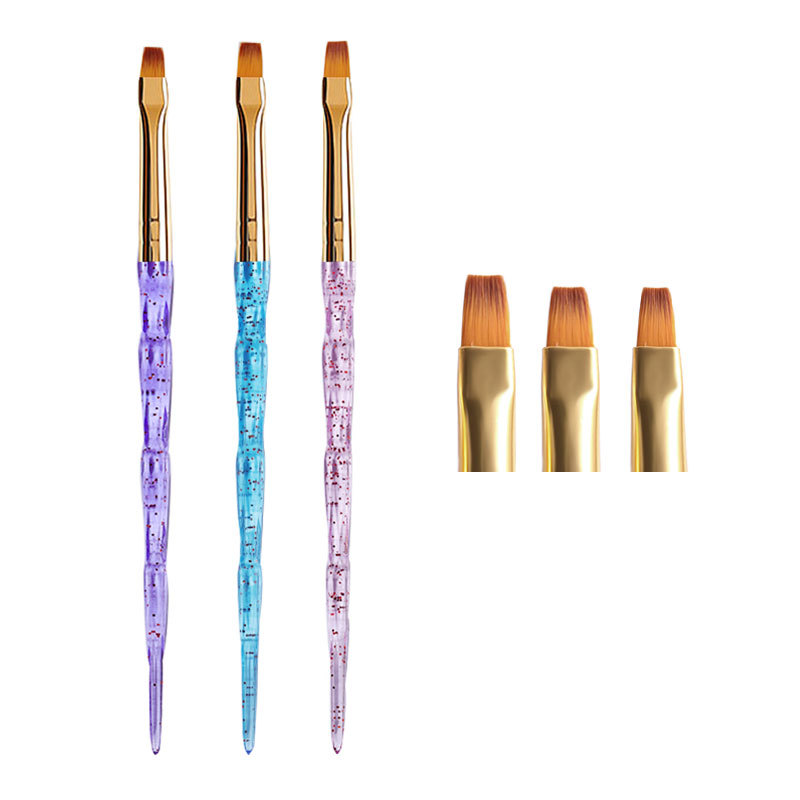
Nail art brushes are essential tools for creating stunning gel nail designs. Whether you’re a professional nail technician or a DIY enthusiast, keeping your brushes in top condition is crucial for achieving flawless results. Here are some practical tips to help you maintain your nail art brushes and extend their lifespan.


1. How to Clean Gel Nail Brushes Properly
Cleaning your gel nail brushes is the most important step in maintaining their quality. After each use, wipe off excess gel or polish with a lint-free wipe. Then, dip the brush into a brush cleaner or 99% isopropyl alcohol, gently swirling it to remove any remaining product. Avoid soaking the brush for too long, as this can damage the bristles. Finally, reshape the brush and let it air dry horizontally to prevent bending. Regular cleaning ensures your brushes stay soft and precise for intricate designs.

2. Invest in Quality Brushes or Explore Cheap Art Brushes Wholesale Options
While high-quality brushes are a great investment, you don’t always have to break the bank. If you’re looking for affordable options, consider purchasing cheap art brushes wholesale. Many suppliers offer durable brushes at competitive prices, making it easier to stock up without compromising on performance. Whether you’re a salon owner or a hobbyist, buying in bulk can save you money while ensuring you always have a backup on hand.

3. Choose the Right Brush for Gel Brush UV Gel Nail Applications
Not all brushes are created equal, especially when working with UV gel nail products. For gel applications, opt for brushes specifically designed for gel polish, such as gel brush UV gel nail brushes. These brushes are made with synthetic bristles that resist hardening when exposed to gel products. Using the right brush not only improves application but also makes cleaning easier, as gel residue won’t cling to the bristles as much.

4. Store Your Brushes Correctly
Proper storage is key to maintaining the shape and quality of your brushes. Keep them in a clean, dry place, preferably in a brush holder or case. Avoid storing them upright in a jar, as this can cause the bristles to splay or bend. For added protection, consider using brush caps to keep the bristles intact and dust-free.


Why Choose Us?
At YV NAILS, we pride ourselves on offering high-quality nail art brushes that cater to both professionals and enthusiasts. With our own independent factory, we support OEM services and provide customized products to meet your specific needs. Whether you’re looking for gel brush UV gel nail brushes or cheap art brushes wholesale, we’ve got you covered. Trust us to deliver durable, reliable tools that elevate your nail art game.

By following these tips and investing in the right tools, you can keep your nail art brushes in excellent condition and enjoy stunning results every time.

DropBrigt® HEPES The Multi-Tasking "Buffer-Plus" for Brighter, Smoother Skin

Unlock the hidden potential of formulations with DropBrigt® HEPES (INCI: Hydroxyethylpiperazine Ethane Sulfonic Acid, CAS 7365-45-9)—a bio-compatible buffer that transcends pH control to deliver exfoliationbrightening, and UV-protective synergy. Backed by cutting-edge 3D skin models, here’s why this versatile active belongs in your next brightening or anti-aging formula.

🌟 Triple-Action Benefits

  1. Gentle Exfoliation

    • Weak acid (pH 4.5–6.5) with macromolecular AHA-like properties.

    • Softens keratinocytes, smooths texture, and boosts cell turnover without irritation at recommended doses (0.5–5%).

  2. Clinical Brightening Power

    • Proven Synergy: In 3D melanin skin models, formulations with HEPES + tranexamic acid + AA2G + niacinamide (Composition A):

      • ↑ L* value (brightness) by 15% vs. controls (P<0.01)

      • ↓ Melanin content by 30% (P<0.01)

      • Outperformed fewer-actives combos (B/C) in reducing UV-induced pigmentation.

  3. UV Absorption & Penetration Boost

    • Absorbs UVA/visible light, offering secondary photoprotection.

    • Enhances delivery of co-actives (e.g., vitamin C, niacinamide).


🔬 Science Spotlight: Brightening Synergy

Test Parameter Composition A Composition B Composition C
Tranexamic Acid 3%
AA2G 1% 1%
Niacinamide 2% 5% 6%
HEPES 0.5% 0.5% 0.5%
Result vs. UV-Damaged Skin ↑ L* value 15%
↓ Melanin 30%
Moderate improvement Minimal impact

Key Insight: HEPES amplifies brightening efficacy in multi-active systems—0.5% HEPES doubled melanin reduction vs. niacinamide-only formulas.


⚙️ Formulator-Friendly Profile

  • Solubility: Water-soluble (1M solution: clear, colorless).

  • Stability: Heat/light-stable; pH 4–8 compatible.

  • Addition: Flexible—cold or hot process (≤80°C).

  • Safety:

    • Mild irritation (IS=4.77 at 2% in chicken embryo test).

    • Optimal use: 0.5–2% in leave-on products.


✅ Premium Quality Standards

Parameter Specification
Appearance White crystalline powder
Purity (Assay) ≥99.5%
Heavy Metals ≤10 ppm (Pb ≤2 ppm)
Microbials Complies with ISO 11930
Shelf Life 2 years (room temp, sealed)

💡 Why Choose DropBrigt® HEPES?

Beyond buffering, this "smart" active:

  • Rescues UV-stressed skin via melanin suppression.

  • Boosts actives’ efficacy in serums, toners, and creams.

  • Works synergistically with brightening powerhouses (vitamin C, tranexamic acid).

  • Simplifies formulating with water solubility and process flexibility.

"HEPES isn’t just a pH adjuster—it’s a force multiplier for radiant skin results."


Elevate brightening formulations with DropBrigt® HEPES—where science meets synergy.

  • If you are interested in our products and want to know more details, please contact judyzhou@drop-bio.com.

How to Choose the Right Label Material for Beverages in Summer

Hot weather = hot sales for beverages!

But behind every cold bottle or can is a label that needs to stay strong, clear, and good-looking—no matter the temperature or moisture.

So, how do you choose the right self-adhesive label for summer beverages? Let’s dive in.

Summer = Heat + Condensation

Labels on cold drinks often face:

1.Condensation

2.Humidity

3.Cold storage

4.Frequent handling

Cheap or unsuitable materials may lead to:

🚫 Wrinkles

🚫 Peeling

🚫 Smudging

🚫 Faded print

Recommended Materials:

✅ 1. White BOPP (Polypropylene Film)

Waterproof, oil-resistant, and tear-resistant

Keeps colors vibrant even in chilled conditions

Great for juice, soda, sparkling water

✅ 2. Clear BOPP

Sleek, “no-label look”

Strong adhesion even on wet surfaces

Ideal for premium or minimalist designs

✅ 3. Silver PET

Metallic effect + high durability

Perfect for energy drinks or functional beverages with bold branding


Adhesive Matters Too!

1. Choose the Right Glue

2. Freezer-grade adhesive: Stays strong in cold & moist conditions

3. Water-resistant adhesive: Prevents peeling during refrigeration

4. Removable options: Available for reusable bottles (limited use case)

Special Finishes

Enhance shelf impact with:

Gloss or matte lamination

Hot stamping (gold/silver)

Textured or tactile finishes

Anti-scratch coatings for transport protection

Summary

The right label = strong shelf appeal + performance

In summer, it’s not just about how your beverage tastes—but how it looks and lasts.

📩 Need help choosing the perfect label for your beverage line?

We’re here to help with custom materials, finishes, and fast sampling.

How to Prevent Label Curling on Small-Diameter Tubes

Many customers struggle with labeling on small-diameter tubes — one of the most common issues being label edge lifting or curling. Based on our experience in label manufacturing, here are a few practical tips to help you reduce or avoid this problem:

1. Choose a solvent-based adhesive when possible.
Solvent adhesives tend to offer better stability and stronger cohesion. While hot melt adhesives have high initial tack, they often have lower cohesion and may lead to adhesive stringing and curling issues over time.

2. Option for thinner face stock materials.
Materials like 60gsm semi-gloss paper, PE, and 54U synthetic paper are commonly used and better suited for curved surfaces due to their flexibility and thinness.

3. Be cautious with lamination if using paper face stock.
Avoid film lamination on paper labels for small-diameter applications. The added tension from the film can cause curling. Also, when designing labels, try not to fully connect the start and end of the label — leaving a small gap can help release stress and reduce curling.

4. Always test before full production.
Even with the right materials, testing is essential. Different substrates, tube diameters, and application conditions can all affect the final label performance.

As a professional manufacturer of self-adhesive label materials, we’re always here to help. If you’re facing labeling challenges, feel free to reach out and discuss — we’re happy to offer guidance or provide samples for testing.