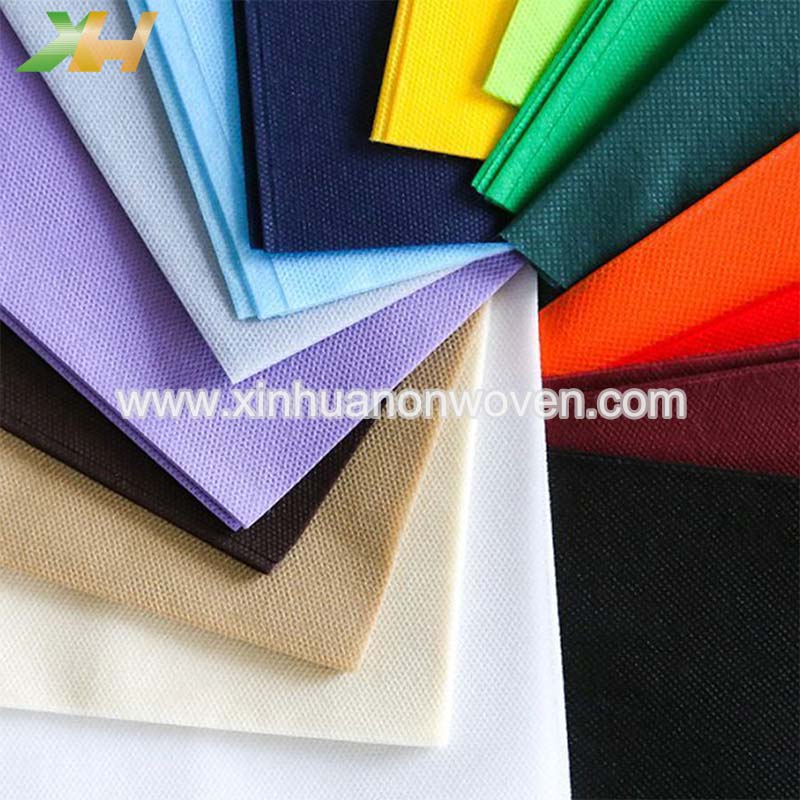
Disposable Non-woven Tablecloths
In today's fast-paced life, disposable items are ubiquitous, but consumers' demands for quality and environmental protection are increasing daily. Traditional plastic tablecloths, while convenient, are gradually being phased out due to their lack of environmental friendliness and poor user experience. The rise of disposable non-woven tablecloths is a response to both "convenience" and "sustainability"—it retains the convenience of single use while redefining the standard for disposable tablecloths with its biodegradable materials and fabric-like feel.
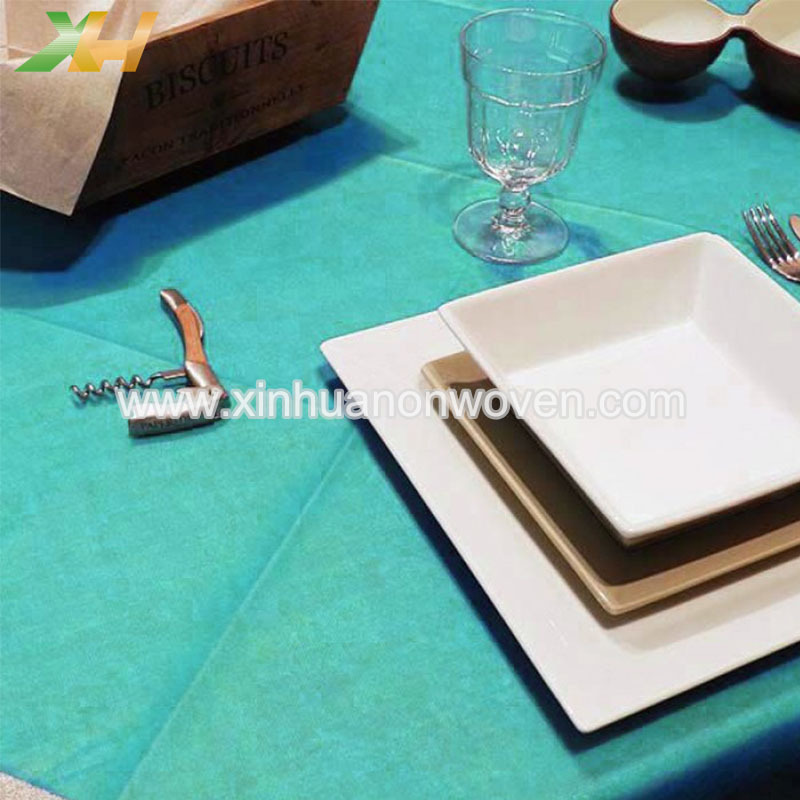
Disposable Non-woven Tablecloths are More Than Just "Disposable"
Disposable non-woven tablecloths are made of polypropylene (PP) spunbond non-woven fabric. The fibers are bonded through heat pressing or chemical methods, without weaving, thus combining the flexibility of paper with the texture of fabric. Their core advantages are reflected in the following aspects:
Waterproof and Oil-repellent: The surface is hydrophobic; liquid spills will form beaded and roll off, making them easy to wipe clean and effectively protecting the tabletop.
Breathable and Non-stick: The porous structure of the non-woven fabric allows air circulation, preventing tableware from sticking to the tablecloth and preventing moisture from affecting the tabletop. Durable and Sturdy: Resistant to stretching and tearing, it can withstand the weight of everyday tableware and food, and even withstands light winds when used outdoors.
Lightweight and Foldable: Easy to fold, convenient for storage and carrying, suitable for camping, picnics, and other mobile occasions.
Rich in Colors: Available in solid colors, prints, and other styles to match different decorating styles or event themes.
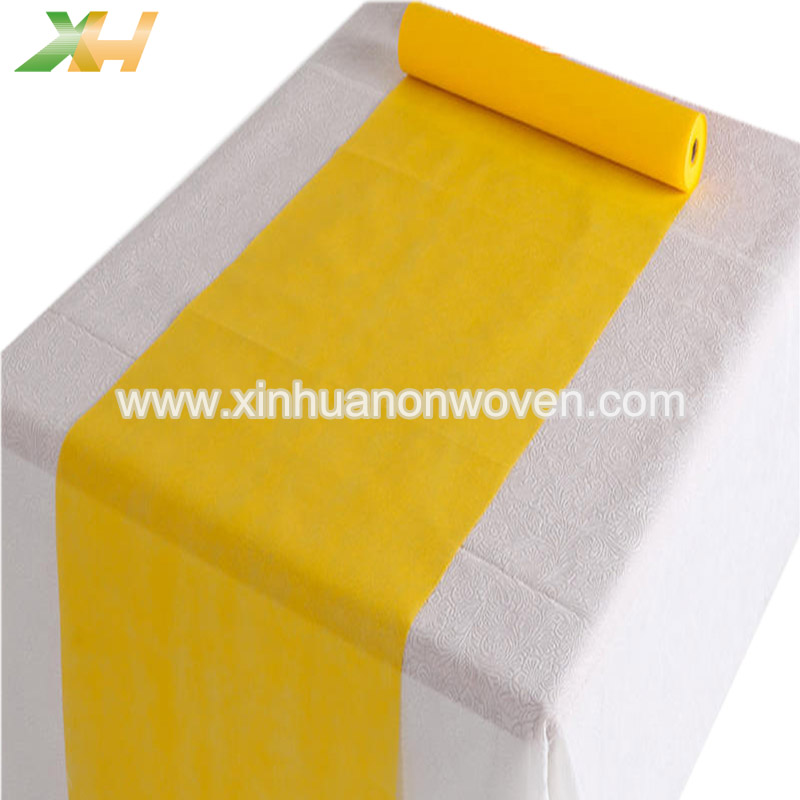
Versatile Uses
The practicality of disposable non-woven tablecloths makes them popular in many fields:
Family Life and Gatherings: Effectively handles "heavy pollution" scenarios such as children's scribbles and food stains; can be discarded after meals, significantly reducing housework.
Catering Services and Events: Restaurants, hotels, and banquet venues can quickly change tablecloths to keep tables clean and hygienic, improving table turnover efficiency; outdoor weddings and company team building activities also eliminate cleaning concerns.
Outdoor Leisure: The ideal partner for picnic mats and camping tables; waterproof and moisture-proof, with a windproof buckle design, fearless of strong winds.
Medical and Laboratory Uses: Some medical-grade nonwoven tablecloths can be used for temporary covering of equipment or workbenches, meeting disposable sterility requirements.
Environmental Considerations: From Source to Degradation
Addressing the "waste" caused by disposable products, high-quality nonwoven tablecloths have undergone improvements in materials and production processes:
Degradable Materials: Made with recyclable or biodegradable polymers, such as polypropylene (PP), which decomposes into water and carbon dioxide within 45-90 days under industrial composting conditions, avoiding plastic pollution.
No Harmful Additives: The production process does not contain chlorine, heavy metals, or other harmful substances, and it does not release toxic gases after combustion.
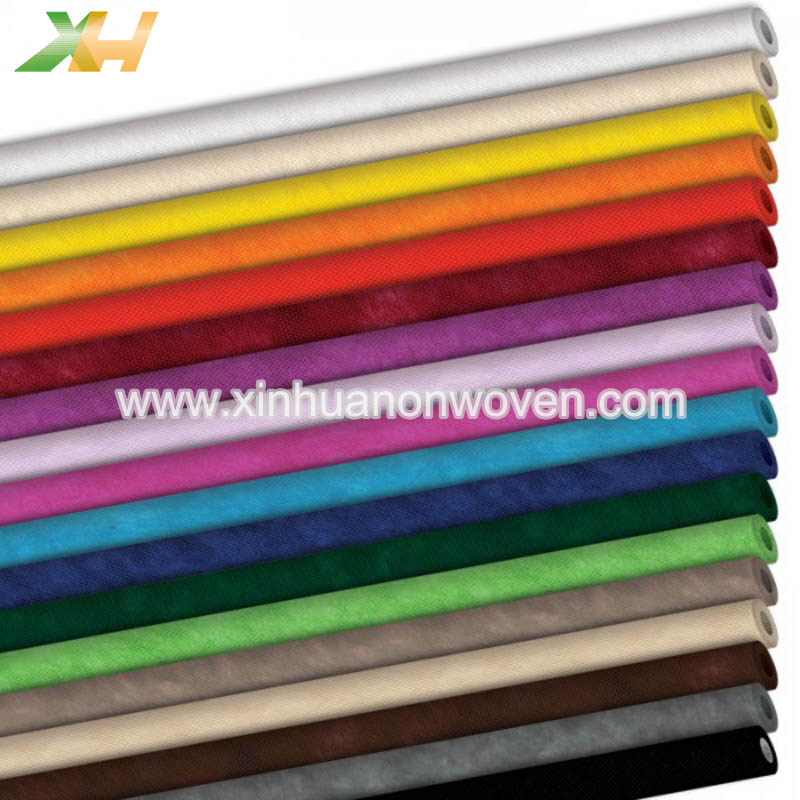
Upgrade Directions for Disposable Nonwoven Tablecloths
With increasingly stringent global plastic restrictions and growing consumer awareness of environmental protection, disposable nonwoven tablecloths are developing in two directions: functional segmentation and a circular economy:
Functional Segmentation: For example, antibacterial coatings, flame-retardant versions, and custom-printed versions to meet the professional needs of different scenarios.
Circular Model: Some companies are beginning to experiment with a closed-loop "use-recycle-regenerate" model, reprocessing discarded tablecloths into industrial raw materials, thereby reducing resource waste. In short, disposable non-woven tablecloths are not simply a replacement for traditional plastic tablecloths, but rather a product redesigned to meet the needs of modern life. They balance convenience and environmental friendliness—reducing household chores while minimizing environmental impact through biodegradable materials. This is undoubtedly a wise choice for efficiency-driven businesses and experience-conscious consumers.
In the future, with advancements in materials science, disposable non-woven products will become lighter, stronger, and more environmentally friendly, continuing to provide reliable support for daily life and business activities.