In today's materials industry, spunbond nonwovens have become the preferred choice for manufacturers due to their high strength, wide range of applications, and sustainability. Spunbond nonwovens can be made from a variety of materials, such as PP, PET, and PLA, and their wide range of applications sets them apart, from reusable packaging bags to technical packaging.
So, what exactly is spunbond nonwovens?
How does it differ from traditional textiles and other nonwovens? In short, spunbonding is a one-step molding process. It involves melt-extruding a polymer (usually PP polypropylene or PET polyester) to form continuous filaments, directly laying them into a web, and then thermally bonding them to form a nonwoven fabric. This efficient process abandons the traditional "spinning + weaving" process, giving the product unique advantages: high strength, good tensile strength, breathability, process stability, and controllable cost. These characteristics have quickly made it stand out from many other nonwoven processes such as needle punching, spunlace, and meltblown, becoming one of the most widely used processes.
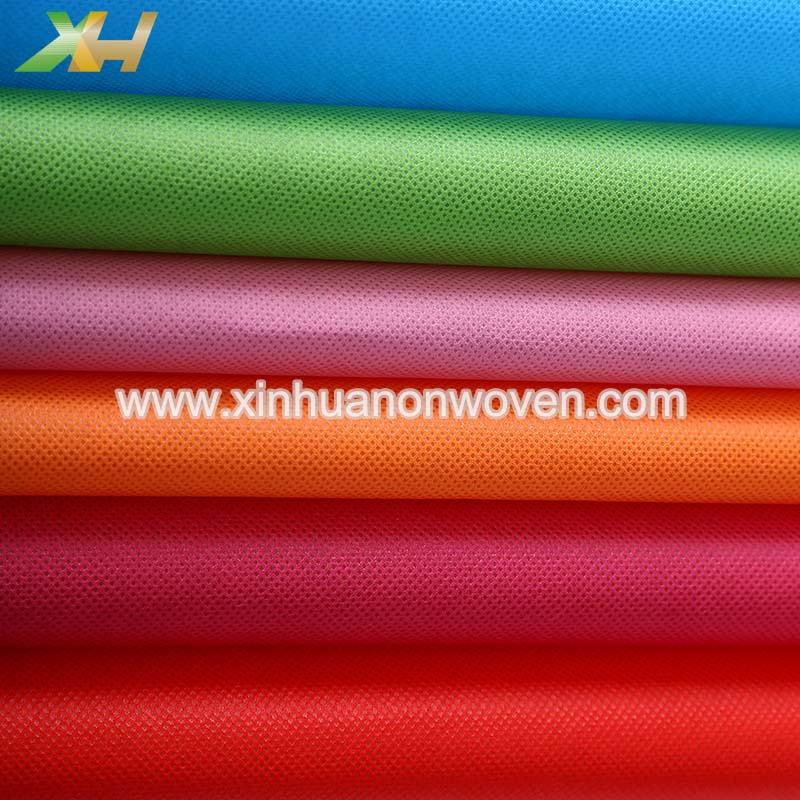
Why does spunbond nonwovens dominate the market?
Its core competitiveness lies in the perfect balance between performance and cost. Compared to soft, short-fiber spunlace fabrics, spunbond fabrics offer stronger structural support, making them more suitable for applications requiring shaping. Compared to meltblown fabrics used in mask core layers, spunbond fabrics offer superior basic strength and support. From lightweight medical mask outer layers to robust geotextiles, spunbond fabrics with varying weights and finishing processes have a wide range of applications. Currently, in response to environmental protection and consumer upgrading trends, many nonwoven fabric manufacturers are focusing on improving the functionality of their products.
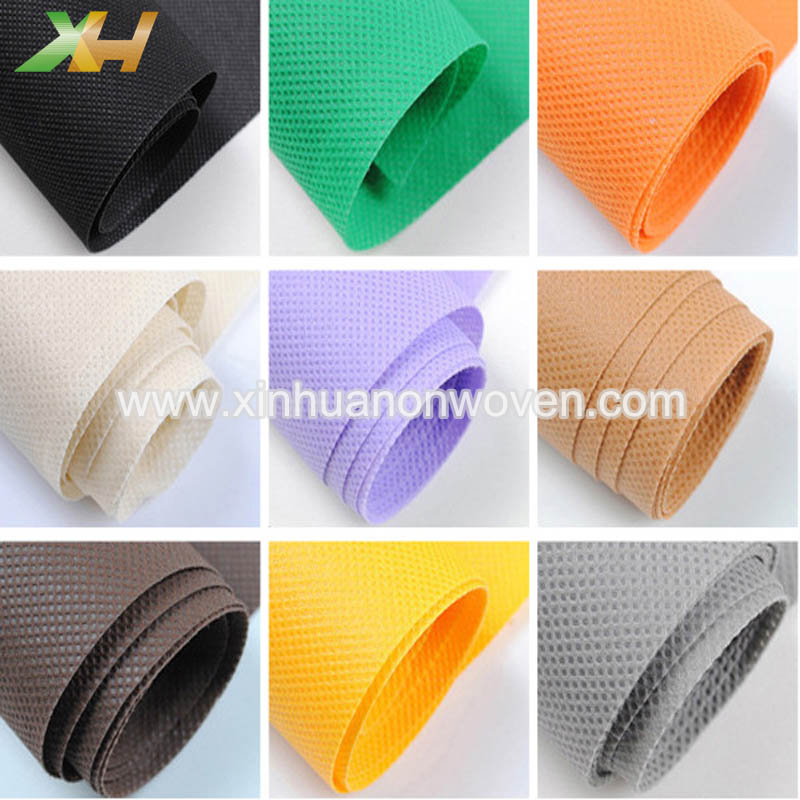
Global Spunbond Nonwoven Fabric Demand
In terms of global demand for spunbond nonwoven fabrics, the Asia-Pacific region dominates the market, with China being the largest producer and consumer. This is primarily due to China's numerous specialized nonwoven fabric manufacturers, and the fact that Chinese manufacturers are renowned for their advanced technology, low prices, and large-scale production capabilities.
India is the world's second-largest producer of spunbond nonwoven fabrics, after China. The Asia-Pacific region's dominance in the spunbond nonwoven fabric market is mainly attributed to the region's strong manufacturing base, rapid industrialization, and the growing demand from a expanding population for home and personal care products.
Demand for polypropylene nonwovens is strong in North America, primarily due to the rapid growth of the U.S. healthcare industry, which has created a huge demand for medical products, surgical gowns, wound dressings, and other similar items, thus driving the demand for spunbond nonwovens.
This is why spunbond nonwovens are widely used in modern industry.