The Importance of Oil- and Scratch-Resistant Labels in Food Packaging

Food packaging presents unique challenges for labels. Oil, moisture, and frequent handling can easily damage labels, affecting readability and brand image. This is why oil- and scratch-resistant labels are increasingly in demand.

1. Why Are They Needed?

  • Oil and Moisture Resistance: Essential for sauces, condiments, and frozen foods.

  • Scratch Resistance: Keeps labels intact during transportation and shelf display.

  • Durability: Ensures important information like ingredients and barcodes remain clear.

2. Material and Finishing Options

  • Synthetic Films (PP, PE, PET): Provide strong resistance against oil and water.

  • Protective Coatings or Lamination: Add an extra layer of protection.

  • Special Adhesives: Ensure labels remain securely attached even on difficult surfaces.

3. Benefits for Brands

  • Professional Appearance: Maintains a clean, attractive look on the shelf.

  • Consumer Trust: Legible information builds reliability and compliance.

  • Cost-Effectiveness: Reduces re-labeling and product returns.

Oil- and scratch-resistant labels are more than just durable—they are essential for preserving brand value and ensuring compliance in the competitive food packaging market.

The Power of Transparent Labels with Cold Foil Stamping in Global Beverage Packaging

In the global beverage industry, packaging design is one of the most effective tools for capturing consumer attention and influencing purchasing decisions. While product quality is always key, what first attracts the eye on the shelf is the label. Among the many innovations in label printing, transparent labels combined with cold foil stamping have emerged as a standout choice for brands worldwide.


What Are Transparent Labels with Cold Foil?

Transparent labels are produced from clear films, such as PET, to achieve a sleek “no-label look.” This effect makes the graphics appear directly printed on the bottle, creating a clean and modern appearance.

Cold foil stamping is a process where metallic foil is transferred to specific areas of the label during printing. Unlike hot stamping, cold foil allows faster application and greater design flexibility. When combined with transparent labels, it delivers a striking balance between simplicity and premium detail.

Why Beverage Brands Choose This Combination?

1. Global Shelf Appeal

The transparency highlights the natural color of the drink, while the foil draws attention to logos or brand icons. This dual effect increases visibility and helps products stand out in competitive retail environments worldwide.

2. Versatility Across Beverage Categories

From vodka, beer, and ready-to-drink cocktails to juices, sparkling water, and soft drinks, transparent cold foil labels adapt easily to different types of beverages and brand identities.

3. Durability Across Climates

Whether in cold storage in Europe, humid conditions in Asia, or long-distance shipping to North America, the labels remain intact. Their strong adhesives and moisture resistance ensure reliability across global markets.

4. Design Flexibility

Metallic effects such as silver, gold, or holographic foil allow designers to add sophistication and differentiation without needing expensive custom bottle printing.

5. Global Market Applications

Transparent cold foil labels are widely used in premium beverages targeting international consumers. They meet the rising demand for minimalist packaging that communicates both quality and authenticity. For global brands seeking consistent packaging across multiple regions, this solution combines visual impact with technical performance.

Why Work With Us?

  • As a professional label manufacturer based in China, Jinke Label provides:
  • Factory-direct production with no intermediaries.
  • Advanced printing technology including flexographic and offset processes.
  • Customization in material, adhesive, and format to fit your labeling equipment.
  • Sample books available for quality evaluation before mass orders.
  • Experience with global clients in food, beverage, and cosmetics industries.

Final Thoughts

Transparent labels with cold foil stamping are more than a trend — they represent a practical and effective solution for global beverage packaging. By combining clarity, durability, and striking design, they help brands strengthen their identity and appeal to consumers worldwide.

The Role of Transparent Labels in Modern Packaging Design

In today’s competitive marketplace, packaging plays a critical role in shaping consumer perception. Transparent labels are increasingly favored by food, beverage, and cosmetic brands because they highlight the natural beauty of the product while maintaining a premium and minimalist look.

Benefits of Transparent Labels

  1. Showcase Product Quality – Transparency allows customers to see the actual product, building trust and authenticity.

  2. Premium Appearance – The “no-label look” creates a sleek, modern, and elegant presentation.

  3. Versatility in Application – Transparent labels can be applied to glass, PET, and other smooth containers, making them suitable for diverse industries.

  4. Durability – With oil- and moisture-resistant materials, they remain clear and intact even in challenging environments.

Applications

  • Food & Beverages: Ideal for juices, sauces, and dairy products.

  • Cosmetics & Personal Care: Enhance lotions, creams, and perfumes with a clean, refined appearance.

  • Household Products: Provide a professional finish while keeping instructions visible.

Transparent labels are more than just decoration—they are a strategic tool for branding. By using them, businesses can communicate transparency, quality, and trust directly to their customers.

Understanding Label Application Direction for Smooth Labeling

Label Application Direction

When it comes to roll labels, application direction (also called unwind direction) plays a key role in ensuring your labels are applied correctly and efficiently.

The label application direction refers to how the labels are oriented on the roll—whether the top, bottom, left, or right edge leads off first.

This detail is especially important for automatic labeling machines, where the wrong unwind direction can cause misalignment or production delays.

At JINKE Printing, we offer flexible unwind options such as:

  • Top leading
  • Bottom leading
  • Left edge leading
  • Right edge leading

Before production, confirming the correct application direction helps ensure:

✅ Smooth labeling during high-speed application

✅ Proper label placement on your packaging

✅ Reduced waste and downtime

Whether your labels are for food, beverage, cosmetics, or industrial products, we can customize the roll direction, core size, and winding method to match your labeling equipment perfectly.

📩 Feel free to contact us if you’d like a quick guide on how to choose the right unwind direction for your application line.

Understanding Thermal Label Paper

When it comes to thermal label paper, there are several options available depending on your application needs. From single-proof to tri-proof, and even five-proof thermal labels, each type has its unique characteristics, cost, and performance. In this blog, we’ll break down the key differences and how to choose the right one.

Single-Proof Thermal Paper Labels

Single-proof thermal labels are made from standard thermal materials. The surface is clean and white, providing clear printing results with simple water resistance. These labels are cost-effective and suitable for common applications such as:

  • Retail labeling
  • Barcode printing
  • Logistics and shipping

Since they are inexpensive, they are widely used in everyday scenarios where basic performance is enough.

Tri-Proof Thermal Paper Labels

Tri-proof thermal labels use a special face stock that is waterproof, oil-resistant, and scratch-resistant. They are coated with hot-melt adhesive, which provides stronger initial tack and allows labeling on uneven surfaces. Compared to single-proof labels that use water-based adhesive, tri-proof labels leave fewer residues when removed.

Common applications include:

  • Supermarket weighing scale labels
  • International logistics
  • Shipping labels

Tri-proof thermal paper can be stored for about 2 years, and scratches made with a fingernail are less visible.

Five-Proof Thermal Paper (Synthetic Thermal Paper)

Five-proof thermal paper, also known as thermal synthetic paper, offers even higher durability. It is designed to withstand:

  • Water
  • Oil
  • Alcohol
  • Abrasion
  • Light and heat

This type features a thick protective coating with tear-resistant backing paper, making it an excellent choice for demanding environments.

How to Identify Good Quality Thermal Paper

  • Appearance – High-quality paper should not be overly white. A slightly greenish tint indicates a proper balance of coating. Excessive whiteness often means too much fluorescent agent. The surface should be smooth, uniform, and not overly glossy.
  • Fire Test – Heating the back with a lighter should produce an even black-green color that fades outward. Uneven coating results in stripes or patches.
  • Sunlight Test – Printed paper exposed to sunlight should retain print longer. Poor paper quickly darkens under UV exposure.

Thermal Paper vs. Coated Paper Labels

  • Storage Life – Coated paper labels last longer than thermal paper labels.
  • Temperature Resistance – Thermal labels are sensitive to heat, while coated paper labels are more stable.
  • Printing Method – Coated paper requires a ribbon for printing; thermal paper does not.
  • Cost – Thermal paper is more affordable; coated paper is slightly more expensive but durable.

What Is Blue Grid Thermal Paper?

Blue grid thermal paper refers to thermal labels with blue glassine backing paper. Variants include white grid and white thick backing.

Advantages of glassine paper:

  • Uniform texture with high transparency
  • High temperature resistance, moisture resistance, and oil resistance
  • Strong internal fiber strength, making it durable

Glassine backing paper is widely used in barcodes, adhesive tapes, and as release liners in the medical industry.

Conclusion

From single-proof labels for cost-sensitive retail and logistics to tri-proof labels for international shipping and five-proof synthetic paper for extreme conditions, there is always a thermal paper label to fit your needs. Choosing the right type depends on your application, environment, and budget.

What Is Thermal Paper and Why It Matters for Your Business

If you’ve ever received a receipt at a store, printed a shipping label, or worked in logistics, chances are you’ve come across thermal paper. It’s one of the most widely used materials in daily business operations—but what exactly is it, and how do you choose the right one?

What Is Thermal Paper?

Thermal paper is a special fine paper that is coated with a heat-sensitive layer, which changes color when exposed to a thermal print head. Unlike traditional printing methods, it requires no ink or ribbon—just heat.

There are two main types of thermal paper:

  • Direct Thermal Paper: Used without a ribbon, great for short-term labels like receipts or shipping labels.
  • Thermal Transfer Paper: Requires a ribbon, better for long-term applications like product tracking or freezer labels.

Key Advantages of Thermal Paper

  • Fast and quiet printing
  • High image clarity and barcode readability
  • Cost-effective (no ink or toner required)
  • Minimal maintenance
  • Environmentally friendly options available (BPA-free, recyclable)

Common Applications

Thermal paper is used across a wide range of industries:

  • Retail: Receipts, barcode labels, shelf tags
  • Logistics: Shipping labels, parcel tracking, warehouse identification
  • Healthcare: Patient wristbands, lab test labels
  • Food industry: Expiry labels, weigh-scale tags, cold storage labeling

How to Choose the Right Thermal Paper

When selecting thermal paper, consider these key factors:

  • Paper Type – Direct thermal or thermal transfer?
  • Paper Weight – Usually 55–70gsm depending on durability
  • Adhesive Type – Permanent, removable, freezer-grade?
  • Core Size and Roll Length – Match your printer type (e.g., Zebra, TSC)
  • Surface Finish – Smooth for better print quality

Want to Test First?

We offer free samples so you can check the pint quality, adhesive strength, and compatibility with your printer. Whether you need standard sizes like 80×70mm or custom die-cut labels, we can deliver exactly what you need.

Let's Talk Labels

Need thermal paper for your business? We supply a wide range of thermal labels, both blank and pre-printed, with fast turnaround and factory-direct pricing. Contact us today to request a quote or sample pack!


Is Nonwoven Fabric Cloth or Paper?

Is Nonwoven Fabric Cloth or Paper?

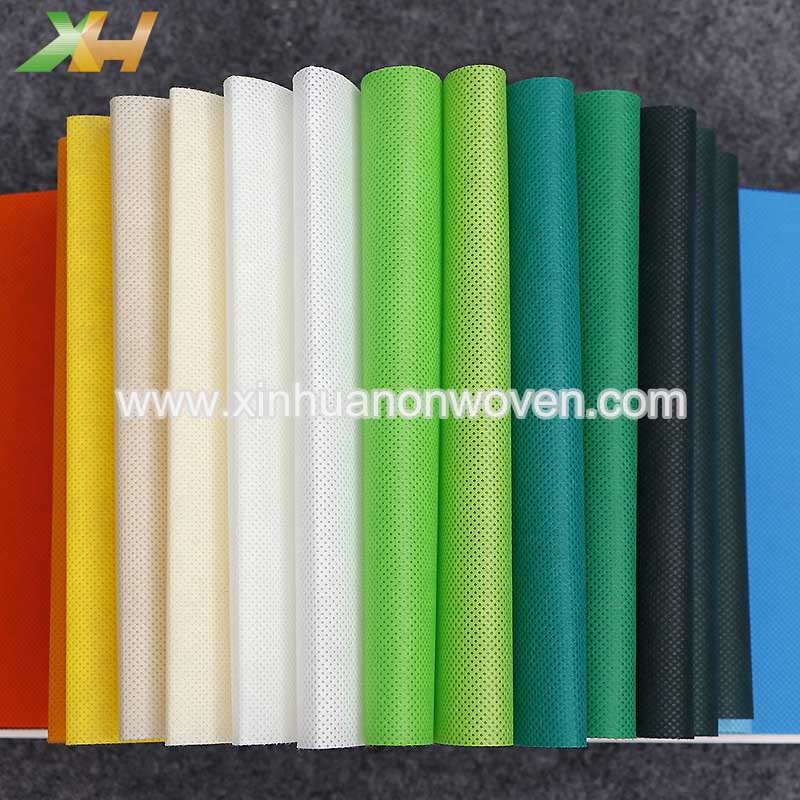
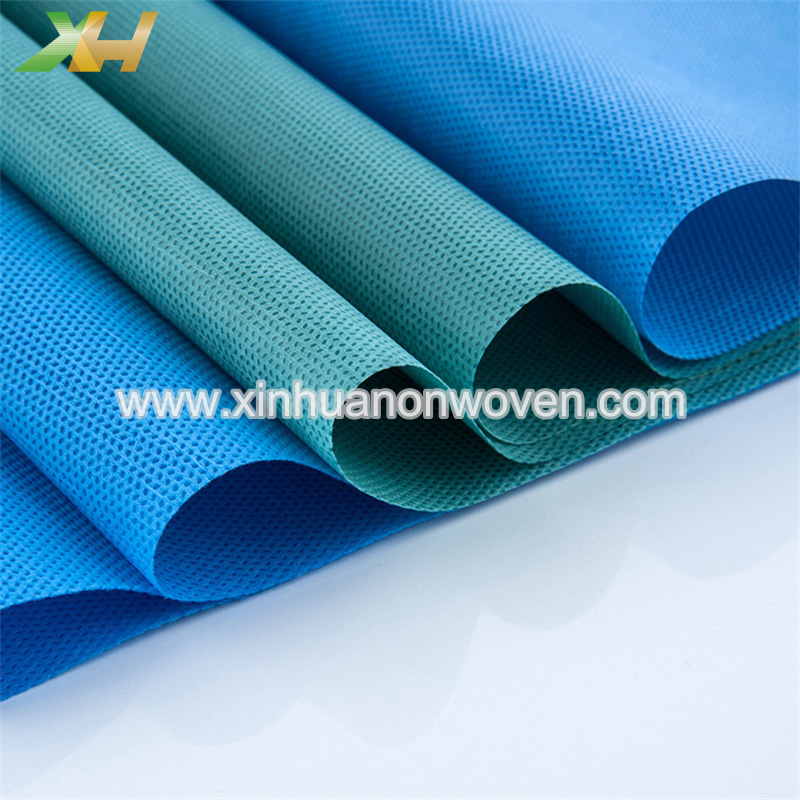
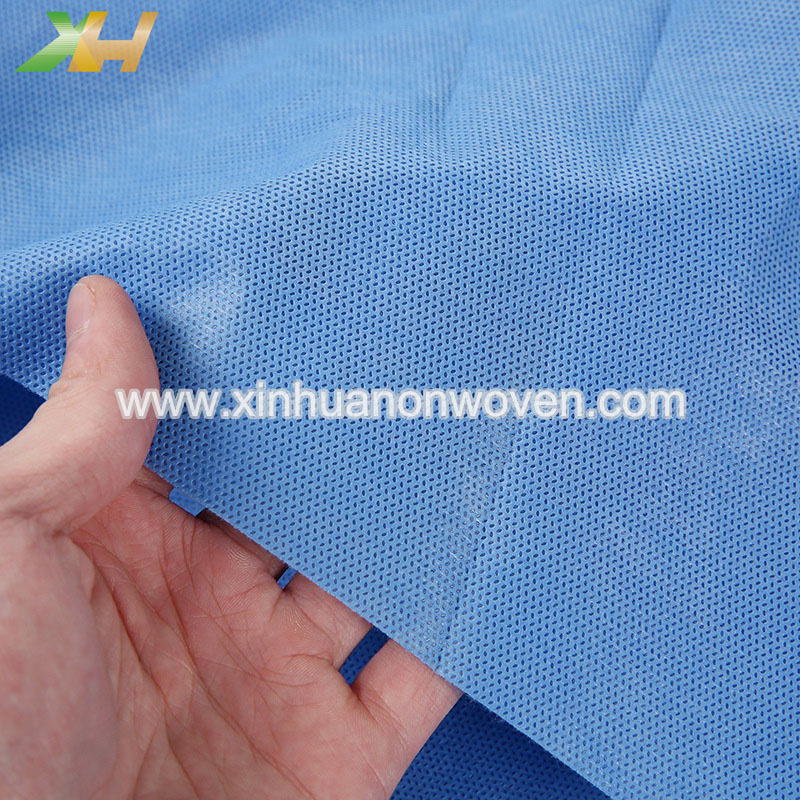
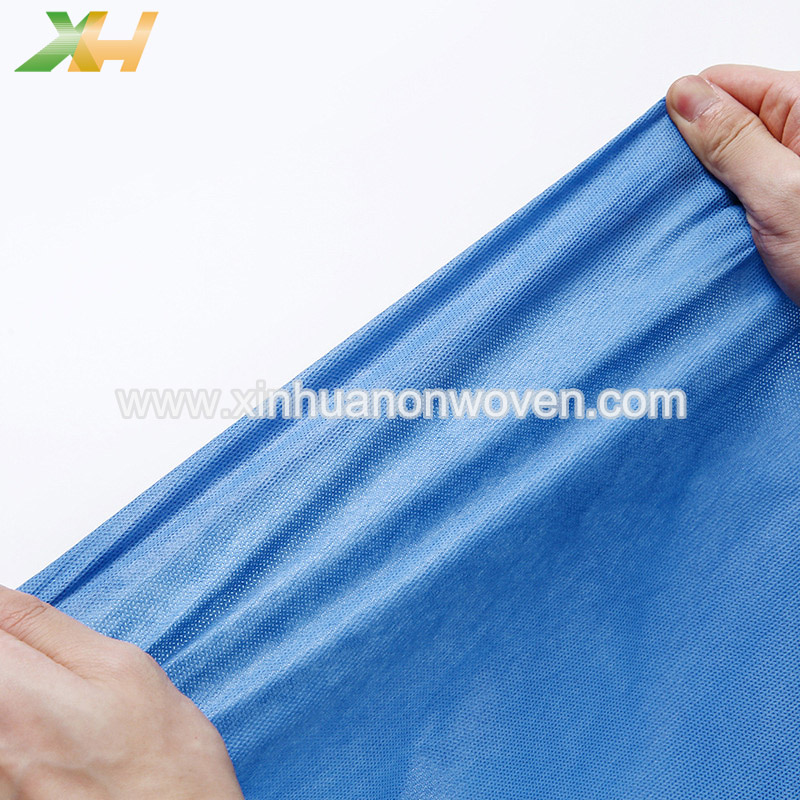
Nonwoven fabric is neither cloth in the traditional sense nor paper; it is a type of "non-woven material." It is made by directly bonding fibers into a web structure through physical, chemical, or thermal processing, without the need for traditional processes like spinning and weaving. Because it possesses the appearance and some properties of cloth, it is often classified as a fabric material.


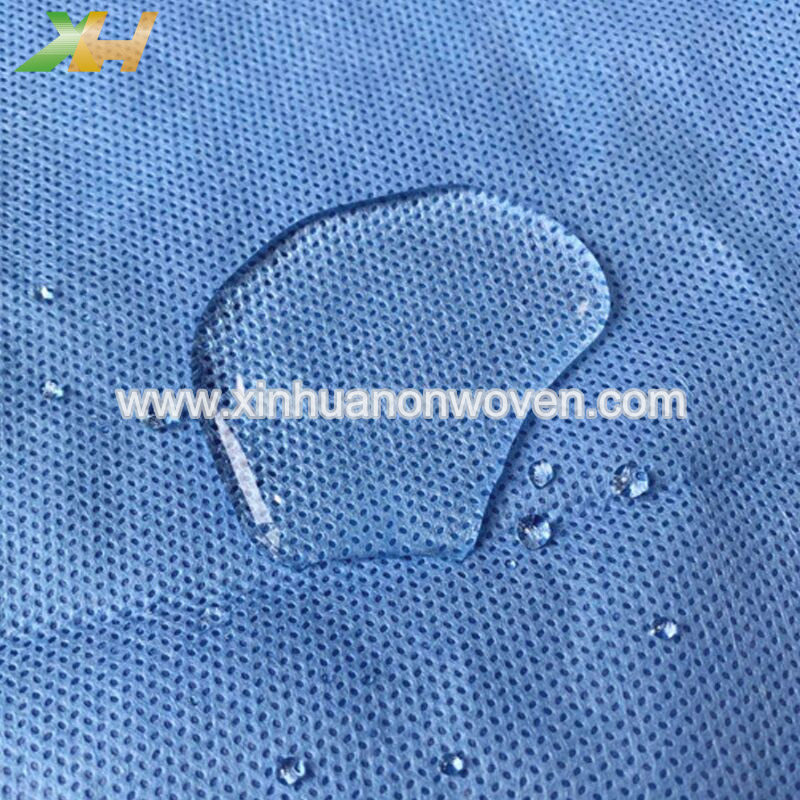
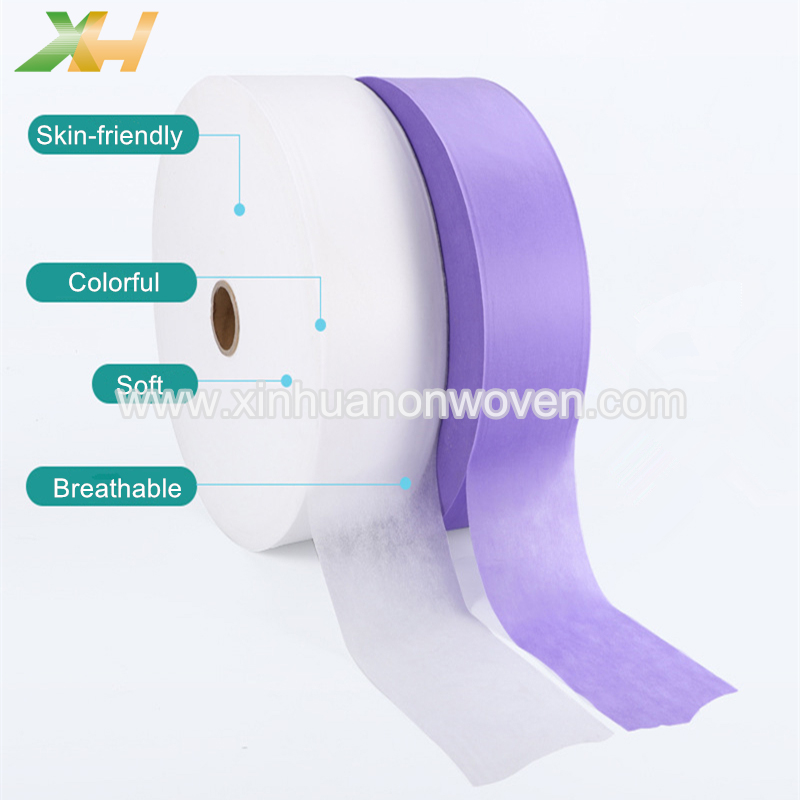
As a new type of environmentally friendly material, nonwoven fabric is characterized by moisture resistance, breathability, flexibility, lightweight, non-flammability, biodegradability, non-toxicity, non-irritation, rich colors, low price, and recyclability. For example, common nonwoven fabrics are mostly made from polypropylene (PP) as raw material, produced continuously through a series of processes including high-temperature melting, spinning, web formation, and hot pressing.


The types of nonwoven fabrics are mainly classified according to their manufacturing and bonding technologies. Different processes result in materials with different properties, suitable for diverse applications. Common nonwoven fabric manufacturing methods include spunbond, meltblown, chemical bonding, needle punching, spunlace, thermal bonding, air-laid, wet-laid, and composite processes. These processes determine the fabric's strength, texture, and function, thus affecting its applicability in medical, filtration, automotive, and hygiene fields.


The following is a detailed introduction to various types of nonwoven fabrics:


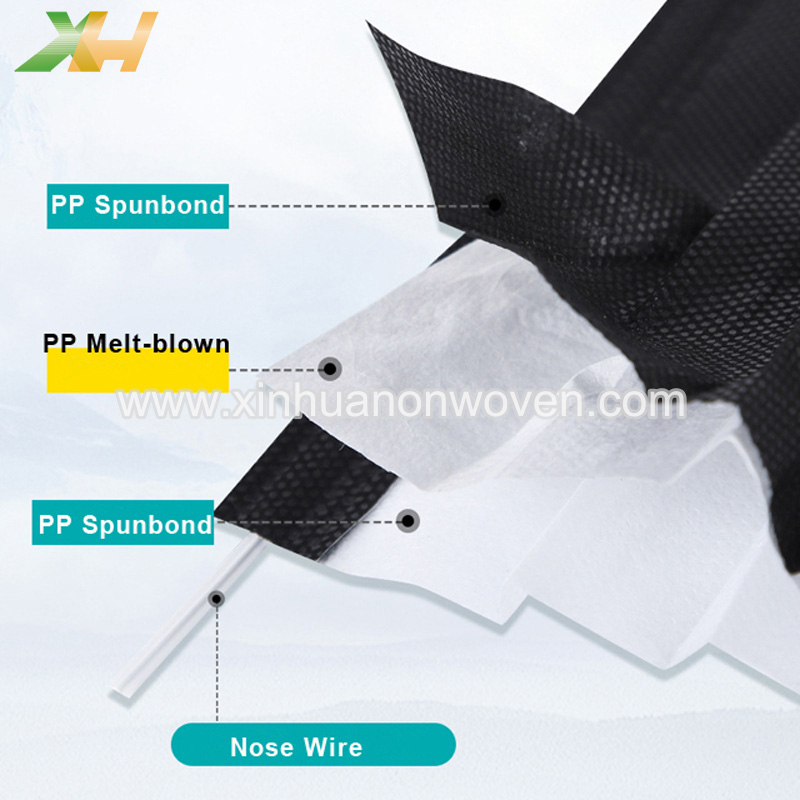
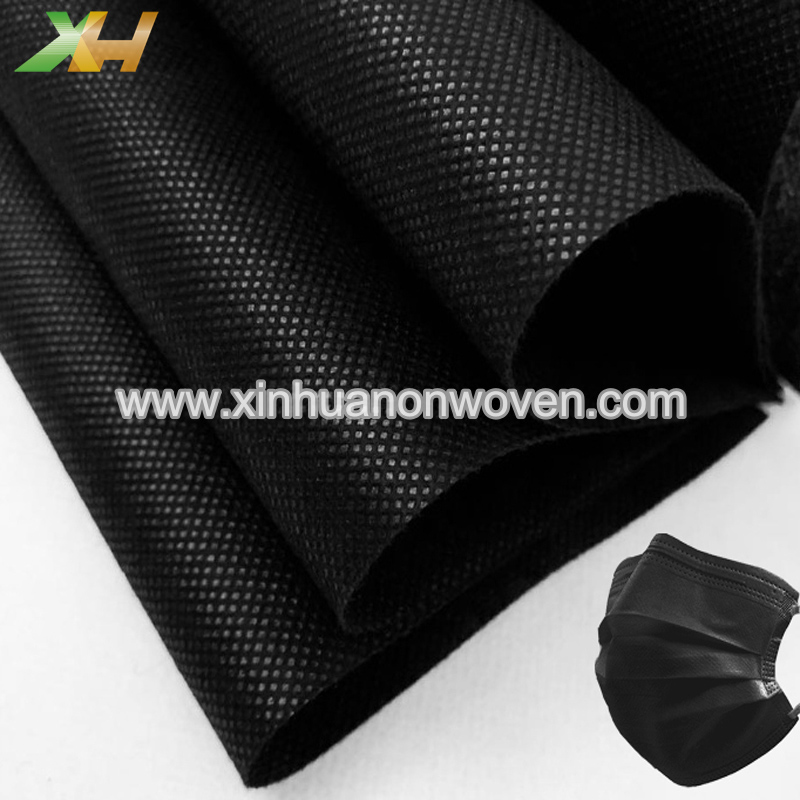
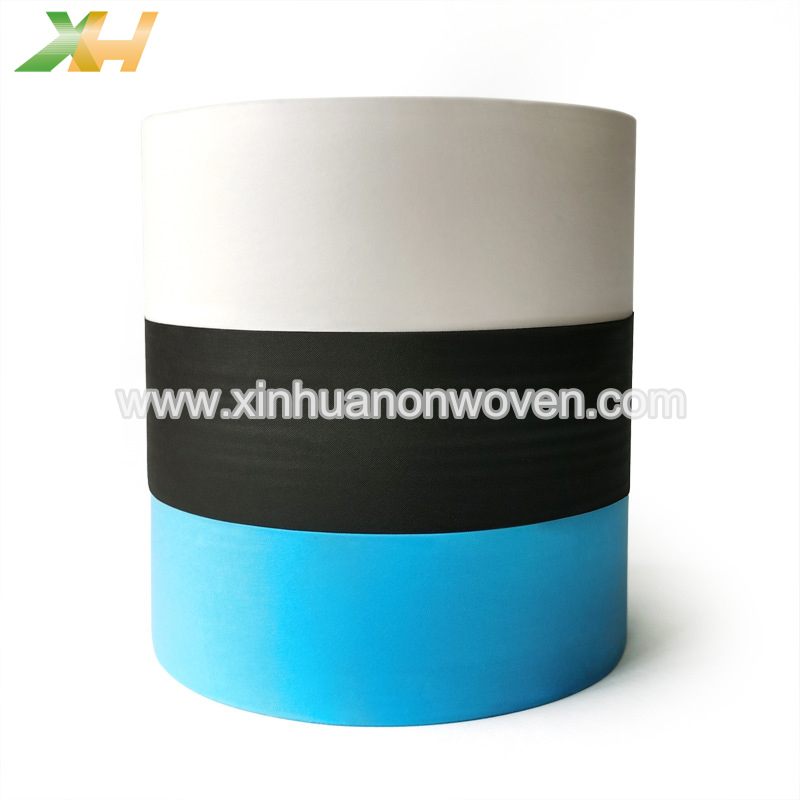
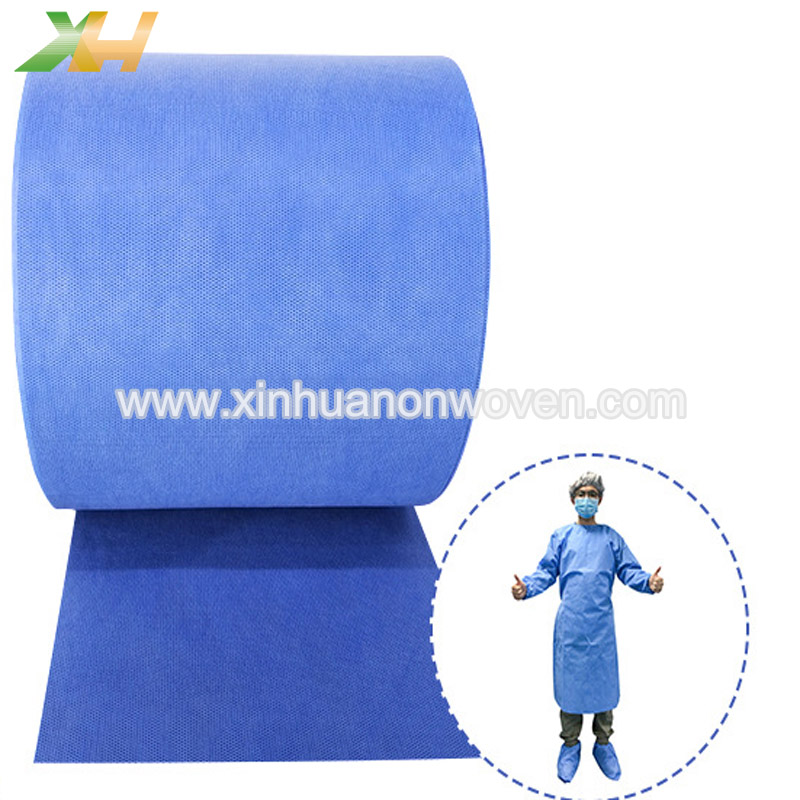
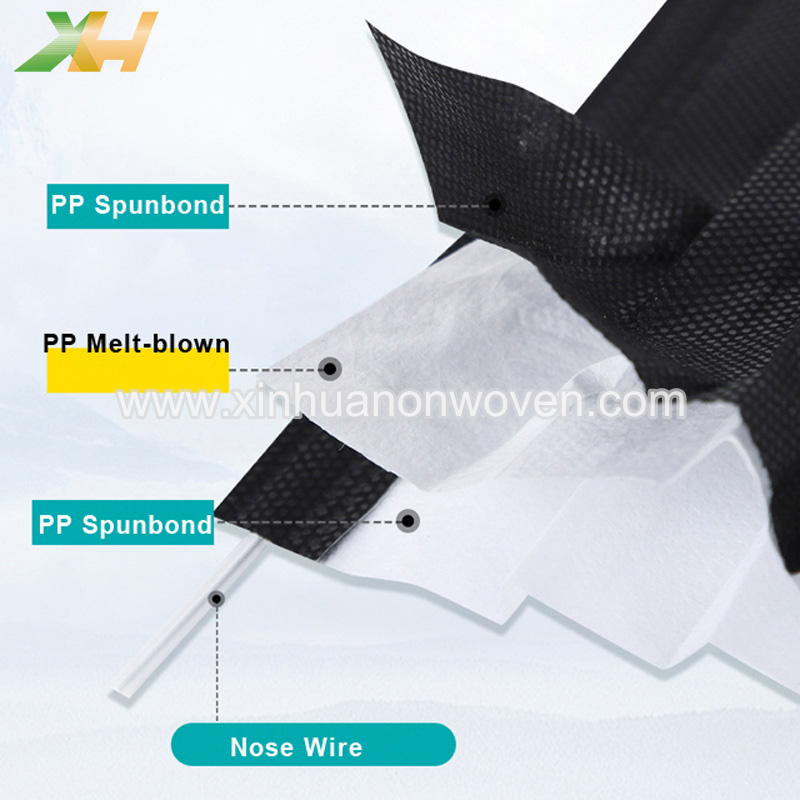
Spunbond nonwoven fabric: Made by extruding continuous filaments from melted polymer, followed by web laying and hot pressing or heating bonding. It has high strength and durability and is commonly used in geotextiles and medical protective clothing.

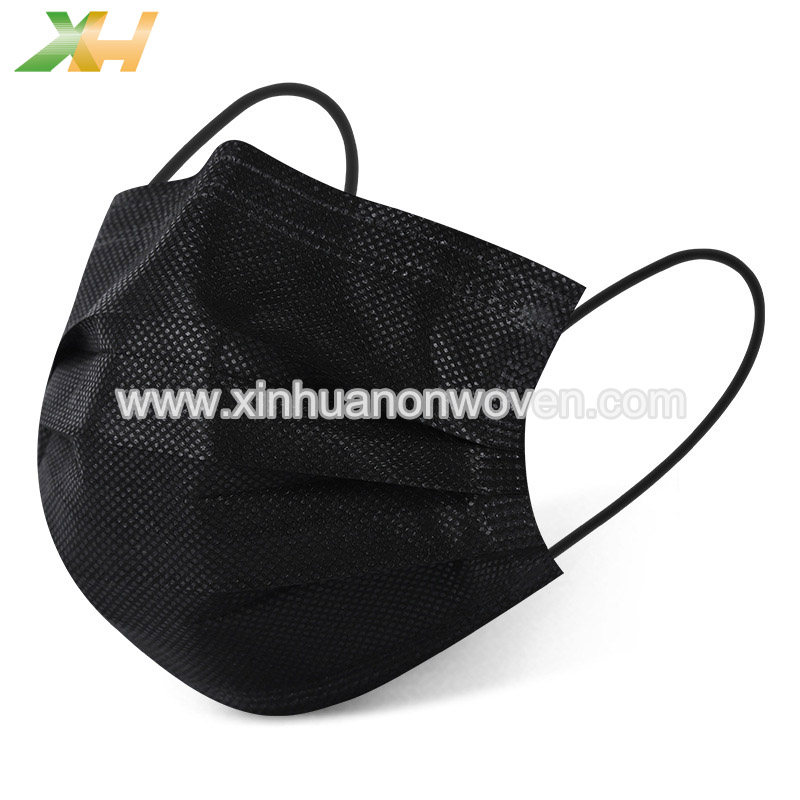
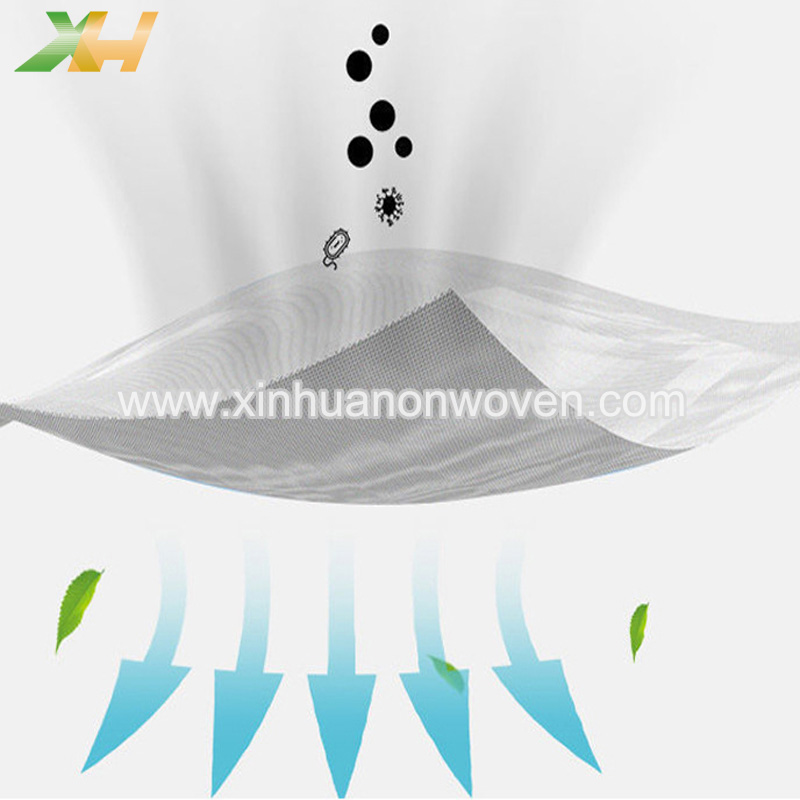
Meltblown nonwoven fabric: Utilizes high-speed airflow to expel molten polymer from micro-nozzles, forming an ultra-fine fiber web. It possesses excellent filtration performance and is widely used in masks and filter materials.

Chemically bonded nonwoven fabric: By adding adhesives to solidify the fiber web, the finished product is soft and has a certain degree of toughness, often used in wet wipes and insulation materials.

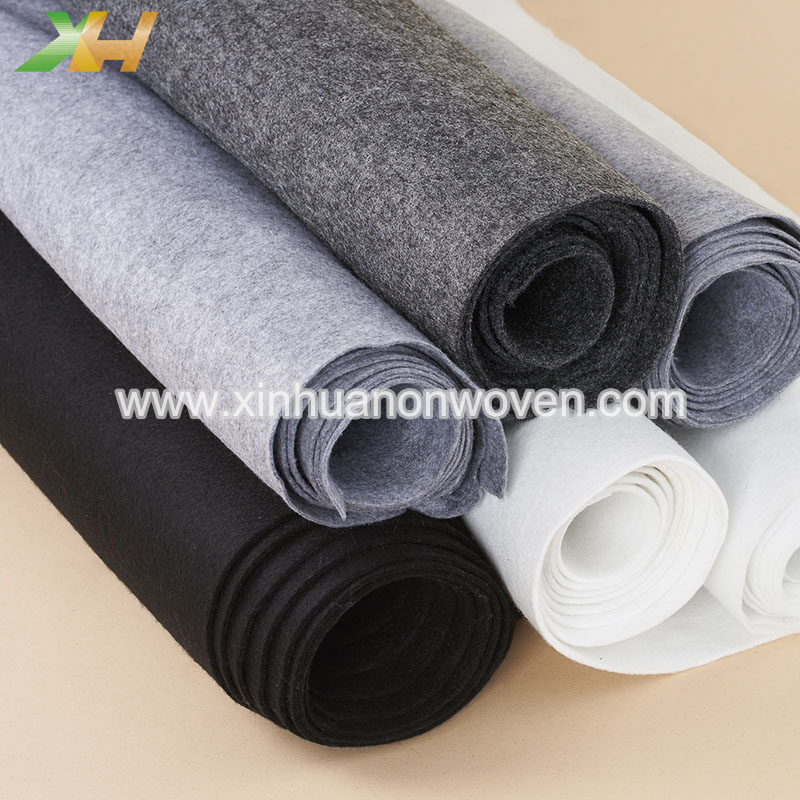
Needle-punched nonwoven fabric: Uses repeated punctures to mechanically entangle the fibers, forming a dense and strong structure, suitable for carpets, automotive interiors, and geotextiles.

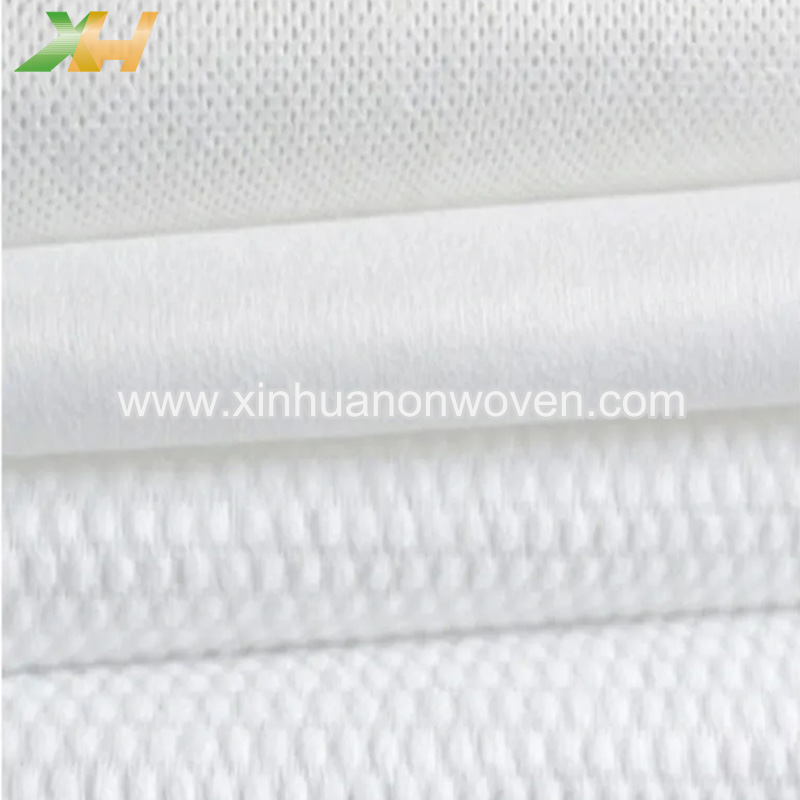
Spunlace nonwoven fabric: Fibers are entangled and formed using high-pressure micro-flows of water. The finished product combines the softness and strength of textiles and is widely used in medical wipes, hygiene products, and personal care products.

Thermobonded nonwoven fabric: Fibers are bonded together under heat and pressure using hot air or hot rolling, without the need for chemical adhesives. The finished product is lightweight yet strong and is commonly used in disposable clothing and filter materials.

Air-laid nonwoven fabric: Fibers are dispersed in an airflow and deposited onto a moving mesh belt to form a web. The finished product is fluffy and soft, suitable for absorbent products such as diapers and sanitary napkins.

Wet-laid nonwoven fabric: The production process is similar to papermaking, where fibers are suspended in water and then formed on a web. The finished product is suitable for filter materials and disposable hygiene products.

Composite nonwoven fabric: Composed of two or more nonwoven fabrics or other materials, it offers superior overall performance and is commonly used in building materials, automotive interiors, and protective clothing.

In summary, although nonwoven fabric contains the word "fabric" in its name and is similar to cloth in function and texture, its manufacturing principle is fundamentally different from that of traditional cloth and paper. Therefore, a more accurate description is that nonwoven fabric is a type of independent, flexible sheet material made through nonwoven processes, and can be regarded as a new material category between textile and papermaking technologies.


The global nonwovens market is gaining momentum, with many new trends worth noting.

Nonwoven fabrics, thanks to their versatility, durability, and cost-effectiveness, have become indispensable materials across numerous industries. Driven by technological advancements, growing demand from downstream industries, and increasing consumer demand for sustainable and environmentally friendly materials, the application of nonwovens continues to expand, encompassing healthcare, hygiene, automotive, construction, and agriculture. The global nonwovens market is experiencing robust growth, driven not only by technological innovations that improve product quality and efficiency, but also by the growing demand for sustainable alternatives and the continued expansion of application areas across various industries.


a. Spunbond Technology

The production process for spunbond nonwovens involves extruding thermoplastic polymers into continuous filaments, which are then bonded together to form a fabric. Recent innovations in spinning technology, such as multiaxial spinning and bicomponent spinning, have enabled manufacturers to produce nonwovens with increased strength, a more uniform texture, and a softer feel.


b. Meltblown Technology

The production process for meltblown nonwovens involves extruding molten thermoplastic polymer through fine nozzles. The fibers then rapidly cool and solidify, ultimately forming a web. Advances in meltblown technology have enabled the production of ultrafine fibers, resulting in nonwovens with excellent filtration properties. These materials have a wide range of applications, including healthcare, personal protective equipment (such as masks), and air filtration.


c. Composite Technology

Composite nonwovens are highly sought after because they achieve superior performance through the ingenious combination of multiple layers of fibers. Using composite technology, researchers have successfully created nonwovens with customized properties, such as breathability, absorbency, and barrier properties. These materials are used in a wide variety of applications, including hygiene products, medical textiles, and geotextiles.


d. Sustainable Technologies

Given the growing importance of environmental issues, market demand for sustainable nonwovens made from renewable or recycled materials continues to grow. Advances in green chemistry, bio-based polymers, and recycling technologies are enabling manufacturers to introduce environmentally friendly nonwovens with a smaller carbon footprint and increased biodegradability.


With technological innovation and continued growth in end-use industry demand, the nonwovens market faces new challenges and opportunities. The introduction of digitalization, automation, and data analytics technologies has not only improved nonwovens production efficiency but also optimized quality control and customization capabilities. Industrial technologies such as artificial intelligence, the Internet of Things, and robotics are increasingly being integrated into production processes to meet the growing demand for customized nonwoven solutions.


The nonwovens market is booming. Driven by breakthroughs in spinning, meltblowing, and laminating technologies, manufacturers are actively launching innovative nonwovens solutions tailored to specific applications and market needs. With the growing adoption of sustainable development concepts, the industry is committed to developing environmentally friendly materials and adhering to circular economy principles to minimize environmental impact. Looking ahead, as the market continues to evolve, strategic collaboration, digital transformation, and market consolidation are expected to become key drivers of industry growth, creating greater potential for growth and innovation in the global nonwovens industry.

The nonwoven fabric market is projected to grow at a compound annual growth rate of 5.5% over the next decade.

Nonwoven Fabrics Market Overview:


The global nonwoven fabrics market is experiencing robust growth, primarily driven by increasing demand from industries such as healthcare, hygiene products, automotive, and construction. According to a detailed assessment by Persistence Market Research (PMR), the market is projected to grow at a CAGR of 5.5% between 2025 and 2032, reaching a market size of US$80.8 billion by the end of the forecast period. Nonwoven fabrics are engineered materials made by bonding fibers together through chemical, mechanical, or thermal processes. Due to their versatility, cost-effectiveness, and environmental friendliness, nonwoven fabrics have become an indispensable part of modern manufacturing.


In terms of product categories, spunbond nonwovens dominate the global market due to their lightweight, durability, and wide application in areas such as medical textiles, packaging, and filtration. Geographically, the Asia-Pacific region leads the global market with the largest share, primarily driven by its booming textile industry, rapid urbanization, and increasing demand for disposable hygiene products in countries like China and India. Government policies promoting sustainable textile production are further fueling the expansion of regional markets.


Key Takeaways:


The global nonwoven fabric market is projected to reach US$80.8 billion by 2032, with a CAGR of 5.5%.


The Asia-Pacific region dominates the market, primarily due to its large-scale industrialization and high consumption of hygiene products.


Spunbond nonwovens remain the leading product category due to their superior strength and wide range of applications.


The healthcare and hygiene products industry holds the largest market share, particularly in medical consumables and hygiene products.


The growing demand for sustainable, biodegradable nonwovens is reshaping the industry landscape.


Major companies are focusing on capacity expansion and advanced fiber technologies to solidify their market positions.


Market Segmentation:


The nonwoven fabric market is segmented by product type, material, technology, and end-use industry. By product type, spunbond nonwovens, meltblown nonwovens, and needle-punched nonwovens are the main categories. Spunbond nonwovens offer excellent strength-to-weight ratio and cost-effectiveness, and are widely used in packaging, medical textiles, and geotextiles. Meltblown nonwovens, renowned for their fine fiber structure and filtration efficiency, are increasingly used in masks and air filters, while needle-punched nonwovens are favored by the automotive interior and carpet industries.


In terms of end-use applications, the hygiene and medical industry dominates the market, followed by the automotive, construction, and packaging industries. The growing popularity of nonwovens in disposable products such as diapers, wipes, and medical protective clothing continues to drive global consumption. Meanwhile, the automotive industry is applying nonwovens to lightweight components and sound insulation materials to improve energy efficiency and sustainability.


Regional Insights:


The Asia-Pacific region is the world's largest and fastest-growing nonwovens market, primarily driven by rapid industrialization, population growth, and the expansion of healthcare infrastructure. China, Japan, and India are major contributors, benefiting from their strong production capacity, government support for textile innovation, and increasing hygiene awareness.


In contrast, the North American and European markets are experiencing steady growth, mainly due to the widespread adoption of sustainable materials and stringent environmental regulations. The United States and Germany remain important markets, with ongoing innovation in filtration and automotive applications. Emerging regions such as the Middle East and Africa are also showing strong momentum due to increased urban development and construction activities.


Market Drivers:


The main driver of market growth is the increasing demand for hygiene and medical products, such as surgical masks, protective clothing, and baby diapers. The COVID-19 pandemic accelerated the application of nonwovens in healthcare, establishing a long-term demand base. Furthermore, increasing consumer awareness of personal hygiene and health safety continues to drive sales in the hygiene products industry.


Advances in fiber bonding and mesh forming technologies have also improved the performance of nonwovens, making them an ideal alternative to traditional textiles. Furthermore, the increasing emphasis on lightweight, recyclable, and biodegradable fabrics by industries such as packaging and automotive aligns with global sustainable development goals, driving market expansion.


Market Restraints:


Despite steady growth in the nonwovens industry, several challenges remain, including volatile raw material prices, particularly for petroleum-based polymers such as polypropylene and polyester. These price fluctuations significantly impact manufacturers' production costs and profit margins.


In addition, environmental concerns related to the disposal of synthetic nonwoven materials present regulatory challenges, prompting producers to turn to bio-based alternatives. Insufficient awareness of nonwovens in some developing regions, coupled with the high investment costs associated with advanced production technologies, may further inhibit market growth.


Market Opportunities:


The growing focus on environmentally friendly and sustainable nonwovens presents significant growth opportunities. Manufacturers are actively investing in biodegradable fibers and recyclable polymers to meet evolving consumer preferences and government regulatory requirements. Innovative technologies such as nanofiber nonwovens and smart textiles are also opening new avenues for applications in fields such as filtration, medical, and protective clothing.


Conclusion:


The global nonwovens market is entering a transformative era characterized by sustainability, technological innovation, and diversified applications. As industries increasingly prioritize hygiene, safety, and environmental responsibility, the applications of nonwovens, as an indispensable part of modern manufacturing, are continuously expanding.


From advanced filtration systems and eco-friendly packaging to automotive interiors and medical consumables, the versatility of nonwovens underscores their growing importance in the global economy. Leading companies in the Asia-Pacific region are actively driving innovation in biodegradable and high-performance fabrics, and the market is projected to maintain strong growth, reaching $80.8 billion by 2032.

What are the raw materials for nonwoven fabrics?

Nonwoven fabric is a new type of environmentally friendly material. Its raw materials mainly include polypropylene, polyester, and polyamide. Nonwoven fabric is a nonwoven fiber material; it is not a fabric spun from textile fibers, but rather a new type of fiber material with specific uses formed by directly bonding fibers together using chemical or physical methods.

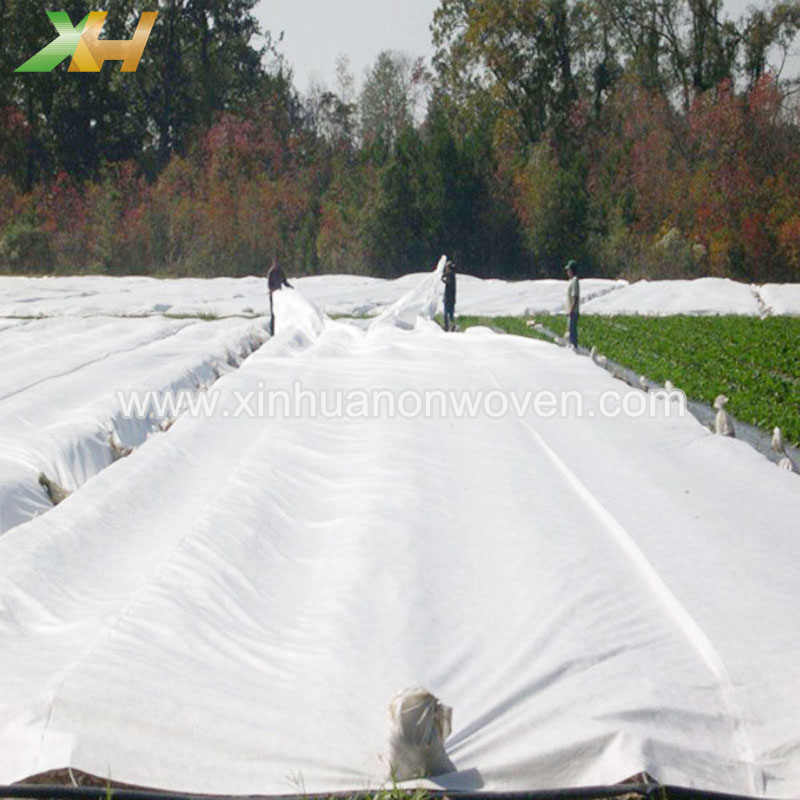
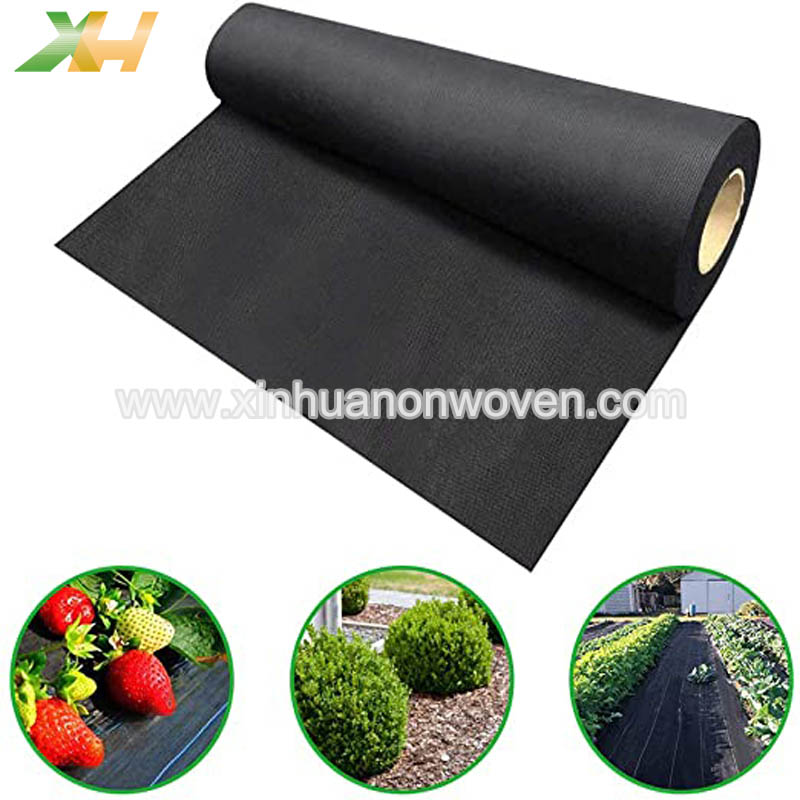
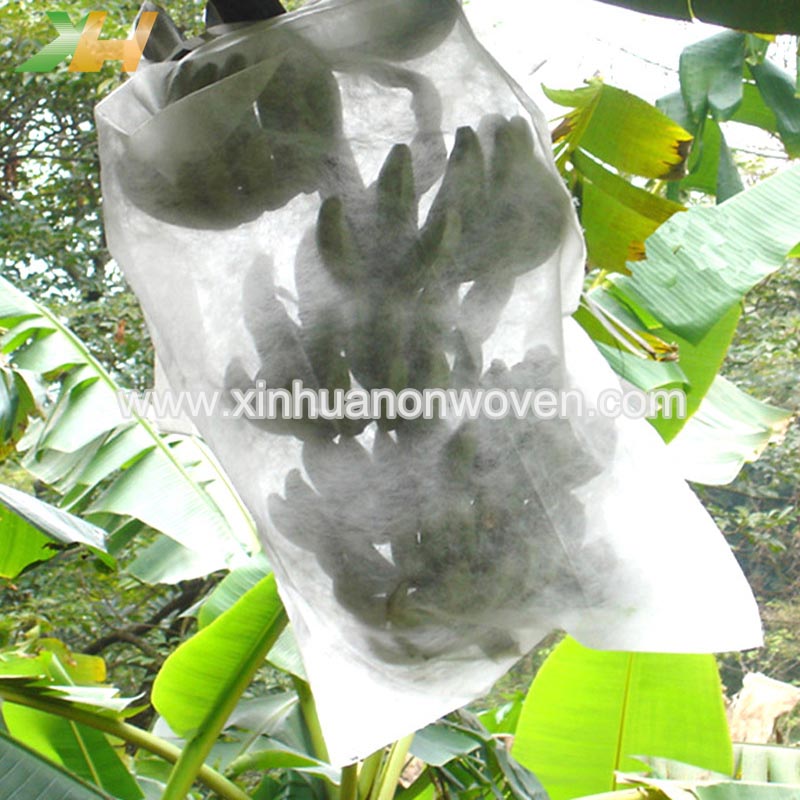
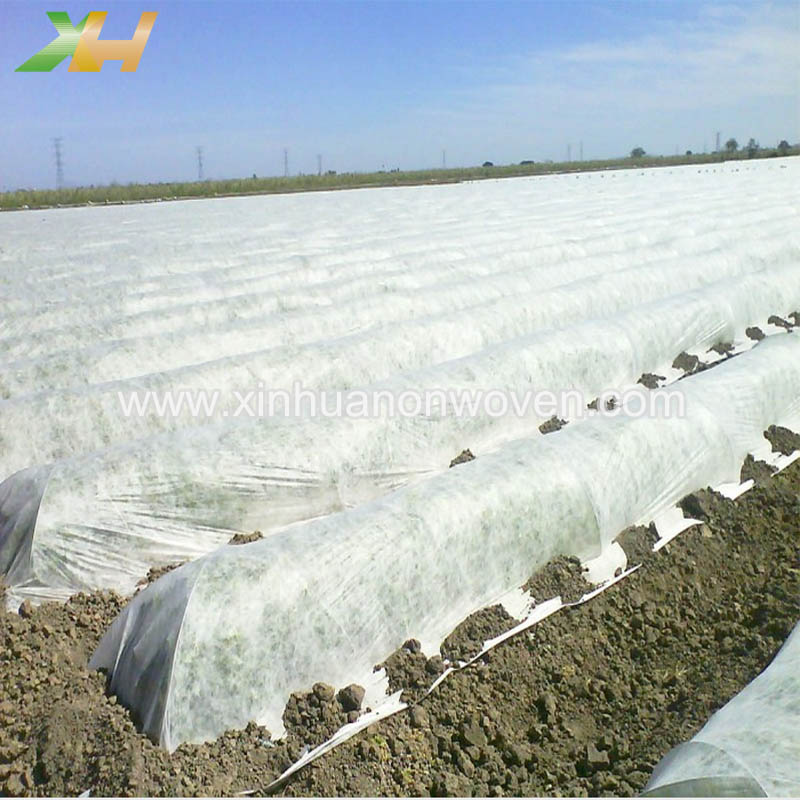
Polypropylene (PP Non Woven Fabric) is one of the main raw materials for nonwoven fabric. Polypropylene is a thermoplastic resin with good abrasion resistance, acid and alkali resistance, and high-temperature resistance, making it very suitable for making nonwoven fabrics. Polypropylene fibers have high strength and abrasion resistance, as well as good waterproof properties, thus it is widely used in medical and health, household goods, footwear, bags, agriculture, and other fields.

Polyester (Polyester Nonwoven Fabric) is also an important raw material for making nonwoven fabric. Polyester fibers have high tensile strength and elastic modulus, as well as good abrasion resistance and chemical corrosion resistance, making them suitable for making nonwoven fabrics. Polyester fiber nonwoven fabrics have good breathability and moisture absorption, as well as good high-temperature resistance, thus they are widely used in clothing, household goods, and filter materials.

Polyamide (PA) is another important raw material for nonwoven fabrics. Polyamide fibers possess good strength and abrasion resistance, as well as good softness and elasticity, making them suitable for nonwoven fabric production. Polyamide fiber nonwoven fabrics have a good hand feel and breathability, while also exhibiting good abrasion resistance and high-temperature resistance, thus finding wide application in clothing, home furnishings, and automotive interiors.

Polylactic acid (PLA non-woven fabric) is a new type of environmentally friendly raw material for nonwoven fabrics. It is a biodegradable and biocompatible thermoplastic polyester made from renewable resources such as corn starch or sugarcane. PLA nonwoven fabrics possess breathability, antibacterial properties, and biodegradability, making them highly suitable for widespread application in clothing packaging, medical, and agricultural fields.

In general, the main raw materials for nonwoven fabrics include polypropylene, polyester, polyamide, and polylactic acid. These raw materials each have unique characteristics and advantages. Through reasonable combination and processing, various nonwoven products can be manufactured for a wide range of applications, including medical and health products, home furnishings, clothing, bags, agriculture, and automobiles. With continuous technological advancements and innovations, the raw materials for nonwoven fabrics are constantly being enriched and improved, providing a more reliable guarantee for the performance and quality of nonwoven fabric products.