TPE vs Silicone Dolls – Material Basics & Touch Realism

If you’re shopping for a realistic doll, you’ve probably come across two main materials: TPE and silicone. At Desirix, we often get asked by our customers: Which one is better? Which should I choose for my needs? The truth is, there’s no “one-size-fits-all” answer—both materials have their own strengths, and the best choice depends on your preferences, lifestyle, and budget. In this blog, we’ll cover the basics of TPE and silicone, plus their key differences in touch and realism.


1.Material Basics: What Are TPE and Silicone?

First, let’s start with the basics. Both TPE (Thermoplastic Elastomer) and silicone are high-quality, skin-friendly materials used in realistic dolls, but they differ in composition and properties—this is what makes each one unique.

TPE: A soft, flexible material that’s known for its realistic skin feel. It’s a blend of plastic and rubber, making it highly elastic and easy to shape. TPE is often used for doll bodies because of its pliability and affordability.

Silicone: A synthetic material that’s durable, non-porous, and has a smooth, matte finish. It’s more rigid than TPE but offers superior detail and a more “premium” look and feel. Silicone is commonly used for doll heads (and full bodies) for its ability to hold fine details like facial features and skin texture.


2. Key Difference: Touch&Realism

Touch and realism are the most intuitive factors when choosing a realistic doll—here’s how TPE and silicone compare:

TPE Dolls

The biggest advantage of TPE is its soft, squishy texture—it closely mimics human skin, with a slight “give” when touched. This makes TPE dolls feel more natural to hug and interact with, which is why many users prefer them for companion purposes. The flexibility of TPE also allows for more natural body movements, enhancing the overall realistic experience.

Silicone Dolls

Silicone has a smoother, firmer feel compared to TPE. It’s less flexible but offers more realistic skin details—think subtle pores, wrinkles, and facial expressions that hold their shape over time. Silicone heads, in particular, have a more lifelike appearance than TPE heads, as the material can capture fine facial features with greater precision.

sex doll

Beginner’s Guide to Choosing Your First TPE Doll

For many first-time buyers, purchasing a TPE doll can feel like stepping into an unfamiliar world. With so many models, sizes, and features available, it’s easy to feel unsure about where to begin. Understanding a few key factors can make the process simpler and help you choose a doll that fits both your expectations and lifestyle.

The first step is deciding on the right size. TPE dolls are designed to mimic realistic human proportions, which means they can vary significantly in height and weight. Beginners often benefit from starting with a manageable size that fits comfortably within their living space. A balanced size makes storage, positioning, and handling far easier during everyday use.


sex doll


Another important consideration is overall design and customization. Many modern dolls allow buyers to choose different facial styles, body shapes, and aesthetic details. A customizable body design allows users to select features that match their personal preferences, creating a more satisfying and personalized experience.

Maintenance is also something beginners should understand early. Like many products made from soft materials, TPE requires basic care to maintain its quality over time. Regular cleaning, drying, and proper storage help preserve the texture and durability of the material. Choosing a product that supports easy maintenance and care will make ownership far more convenient for new users.

Finally, it’s important to approach the decision with realistic expectations. A well-made TPE doll is designed to provide consistency, durability, and lifelike presence. By focusing on size, maintenance, and design preferences, first-time buyers can confidently choose a model that suits their lifestyle and personal comfort.

Common Mistakes When Buying a TPE Doll 5 Pitfalls Beginners Should Avoid

Buying a TPE doll for the first time can be exciting, but many beginners make decisions based on assumptions rather than practical understanding. Avoiding common mistakes can significantly improve long-term satisfaction and ownership experience.

1. Choosing Size Based on Appearance Alone

Many first-time buyers focus only on photos and overlook weight and storage requirements. Larger dolls may look more impressive, but they also require more space and physical handling effort. Before purchasing, consider your room layout, storage options, and comfort level with lifting and repositioning.

2. Ignoring Internal Structure Quality

The internal skeleton determines stability and poseability. A poorly engineered frame may loosen over time, affecting durability and usability. Checking specifications related to joint construction and reinforcement can help prevent structural issues later.


sex doll


3. Underestimating Maintenance Requirements

TPE is soft and realistic, but it requires consistent care. Cleaning, drying, and applying appropriate maintenance powder are essential steps to preserve texture and hygiene. Understanding proper TPE material care from the beginning prevents premature wear and surface damage.

4. Overlooking Long-Term Storage Conditions

Temperature, humidity, and direct sunlight all impact TPE longevity. Storing the doll in a clean, dry environment with proper support reduces deformation risk and extends lifespan. Planning for storage before purchasing is often overlooked but crucial.

5. Prioritizing Price Over Quality

Low-cost options may appear attractive, but material density, structural reinforcement, and finishing quality vary significantly between products. Investing in a reliable manufacturer offering realistic body proportions and quality control helps ensure consistency and safety.

For beginners, the key is not buying the most complex model, but making informed decisions. A well-chosen doll offers a long-term ownership experience that feels stable, realistic, and manageable. Avoiding these five pitfalls makes the first purchase smoother and more rewarding.

TPE Doll Care Guide Simple Steps for Long-Term Maintenance

Owning a TPE doll involves more than just the initial purchase. Proper care and maintenance are essential to preserve its appearance, texture, and durability over time. With a few simple habits, users can keep their doll in excellent condition for long-term use.


1. Clean After Use

Regular cleaning is the most important step in maintaining hygiene and material quality. Warm water and mild, non-irritating soap are typically recommended for surface cleaning. Avoid harsh chemicals that may damage the material. Developing a consistent TPE cleaning routine helps prevent residue buildup and keeps the material feeling soft and natural.


2. Ensure Proper Drying

After cleaning, the doll should be dried thoroughly before storage. Moisture trapped in small areas can lead to unwanted odor or material deterioration. Using a clean towel and allowing time for natural air drying are simple but effective steps.


adult sex doll


3. Use Maintenance Powder

TPE materials may become slightly sticky over time if not properly maintained. Applying a small amount of maintenance powder helps preserve the surface texture and restore a smooth feel. This step also reduces friction and keeps the material comfortable during handling.


4. Store in a Suitable Environment

Storage conditions can significantly affect product lifespan. Keeping the doll in a cool, dry place away from direct sunlight helps prevent discoloration and deformation. Proper support during storage is also important to maintain body shape.


5. Handle With Care

Although TPE is durable and flexible, careful handling ensures long-term structural stability. Avoid excessive pressure on joints or unsupported areas, especially during repositioning or transport. Consistent care contributes to a long-lasting material lifespan and maintains the overall quality of the product.


With regular cleaning, proper storage, and mindful handling, maintaining a TPE doll becomes a simple routine. These small steps help ensure the doll remains comfortable, durable, and visually appealing for years of use.


Understanding Modern Male Masturbators Design, Texture, and Experience

The market for male masturbator products has evolved significantly in recent years. What was once considered a simple accessory has become a category driven by design innovation, structural engineering, and user-focused refinement.

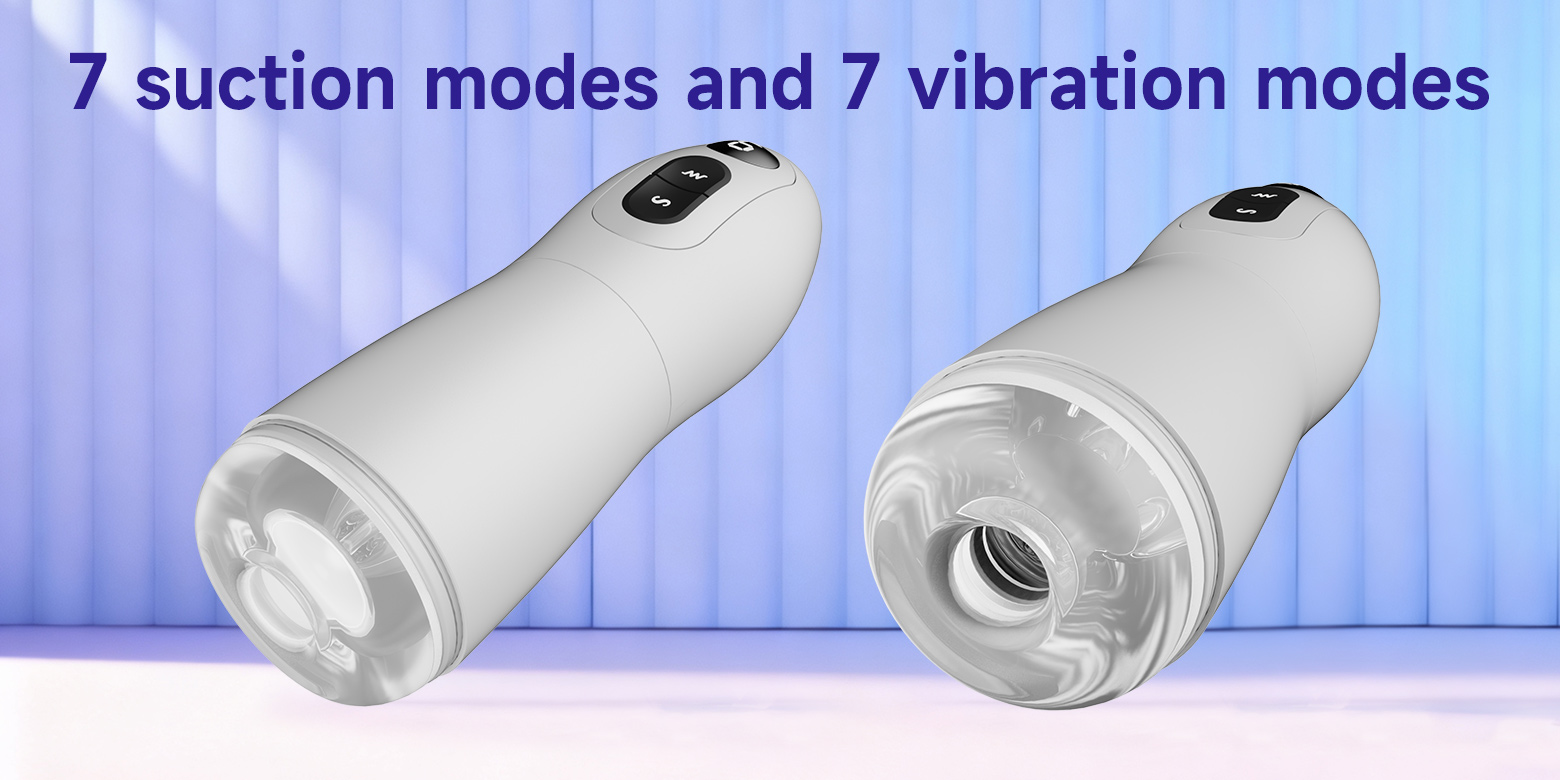
One of the most important elements to understand is internal structure. Different models feature varying tunnel patterns, chamber density, and layered textures. These design choices directly influence airflow, pressure balance, and sensation variation. A well-developed internal texture design creates gradual transitions rather than repetitive stimulation, offering a more controlled and dynamic experience.

Another factor that shapes performance is flexibility and grip structure. Some products emphasize tight compression for stronger feedback, while others focus on adaptive elasticity that responds naturally to movement. The balance between firmness and softness determines how immersive or relaxed the overall experience feels.


male masturbator product photo


Material resilience also plays a role in long-term satisfaction. Quality construction ensures the product maintains its shape even after repeated use. Reinforced outer casing, secure entry structure, and stable internal alignment contribute to a more reliable product lifecycle. Many modern designs now prioritize durable construction quality, ensuring consistency over time rather than short-term performance.

Ease of cleaning and storage are equally important. Detachable sleeves, reversible interiors, or open-ended designs simplify maintenance and drying. Products that integrate practical engineering with thoughtful structure tend to provide a smoother ownership experience overall.

In today’s market, choosing the right male pleasure product is less about appearance and more about understanding how structural details influence performance. By focusing on design logic and material integrity, users can select a model that matches their expectations and usage habits with greater confidence.

Beyond Quality Control How a Professional OEM Protects Your Brand from Risk

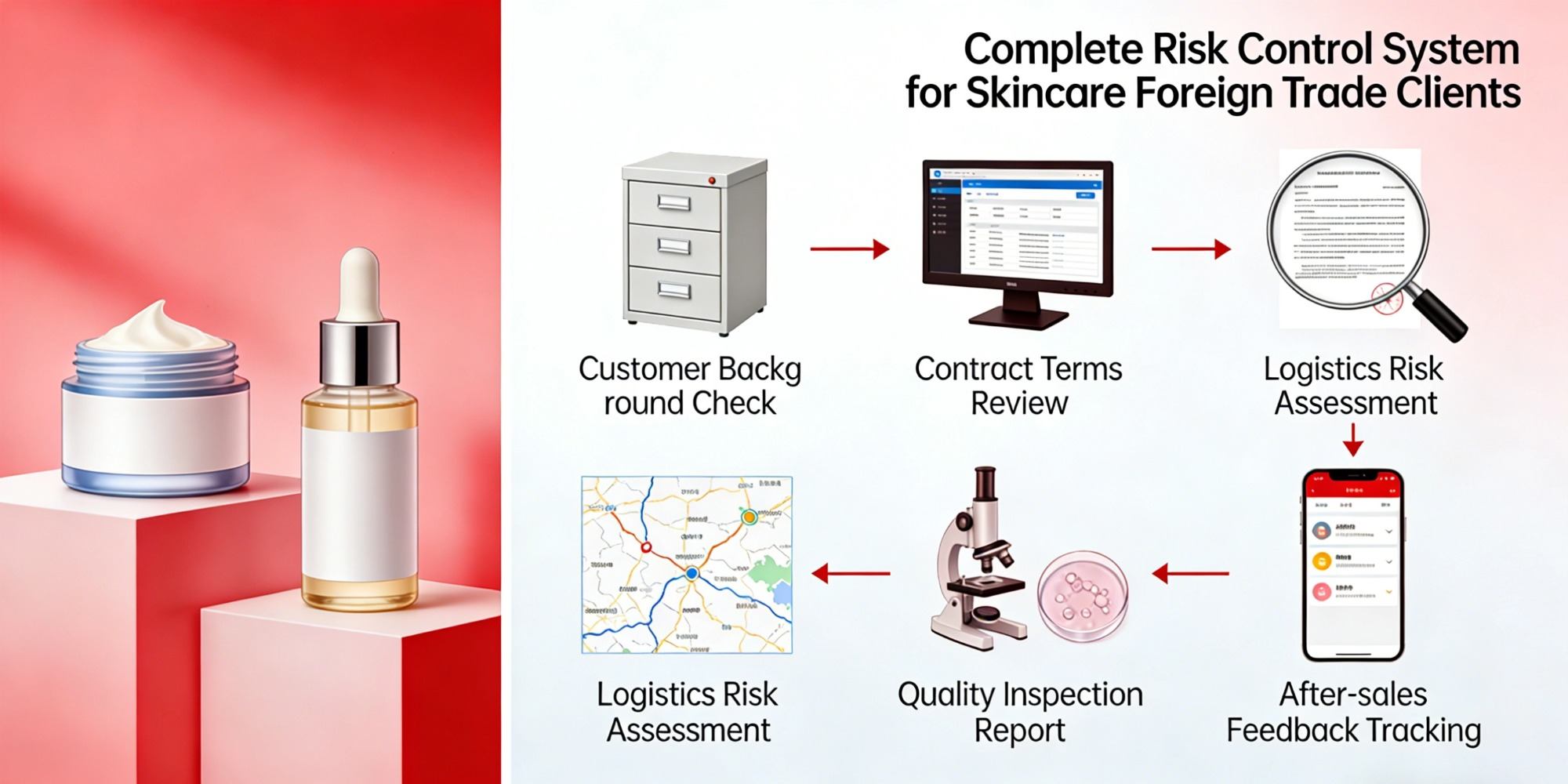
For any skincare brand, the most dreaded scenario is not a month of sluggish sales, but a product recall. A single faulty batch can destroy a brand’s reputation—built up over many years—overnight. When you partner with an OEM manufacturer, you are not merely outsourcing production; you are entrusting your brand’s reputation to them. Truly professional manufacturers do not limit themselves to conducting ‘quality checks’ at the end of the production line. They establish a system to nip problems in the bud before they reach the customer. Below, we reveal how a comprehensive risk mitigation strategy can serve as your brand’s invisible armour.


skincare OEM full traceability


1. Raw Material Risks: Starting from Certainty

Challenges faced by the brand: How do you ensure that the ingredients used in the formula fully meet your requirements—pure, effective, and uncontaminated?

Our comprehensive solution: Our risk prevention starts at the source. We conduct global procurement through strategic partners in the European Union, the United States, Japan, and South Korea, ensuring that every raw material meets strict purity standards. Before any raw material enters the production workshop, it undergoes rigorous component identification, purity, and microbial testing in our in-house laboratory. We do not take suppliers' promises at face value, but verify them ourselves. This fundamental step eliminates the risk of formula failure before the first batch of products is produced.


2. Production risk: eliminating variability through engineering methods

The Brand Challenge: How can you be certain that batch 10,000 is identical to batch 1?

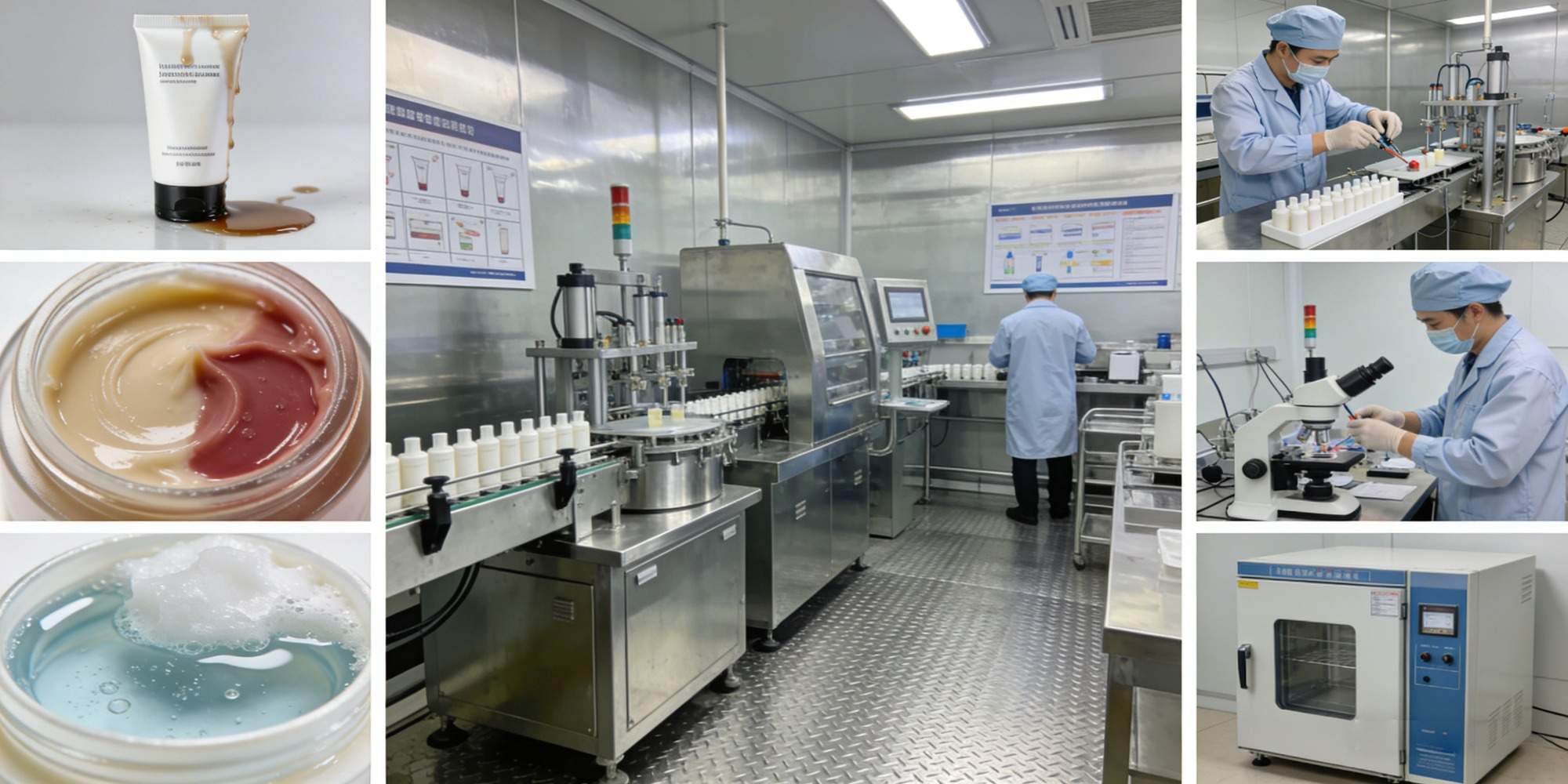
Our Integrated Solution: Consistency is the bedrock of consumer trust. Our production environment is designed to eliminate variables. We manufacture in 100,000-class GMPC-certified cleanrooms with strict temperature, humidity, and particle control. Our fully automated filling and sealing lines remove human error from critical steps. This isn’t just about efficiency—it’s about guaranteeing that every unit that leaves our facility meets the exact same specifications, every time.


3. The Stability Risk: Proving Performance Over Time

Brand Challenge: After months of transportation, storage, and consumer use, can your product remain safe and effective?

Our Integrated Solution: We don’t rely on assumptions; we test reality. Our team conducts comprehensive stability testing, including 45°C high-temperature simulations for tropical markets like Kenya, freeze-thaw cycles for cold climates, and 720-hour destructive testing to push formulations to their limits. This data not only meets regulatory requirements but also gives you confidence that your product will perform as expected from first use to last.


4. The Packaging Risk: Preventing a Silent Failure

The Brand Challenge: What if your premium formula is perfect, but the packaging causes it to leak, degrade, or change texture?

Our Integrated Solution: We treat packaging as an integral part of the product system. All packaging is subjected to seal integrity testing, formulation compatibility testing, and functional performance validation. We ensure that the container doesn’t leach chemicals, the seal doesn’t break in transit, and the formula remains stable throughout its shelf life. This prevents the silent failures—leaks, spoilage, texture changes—that can ruin a customer’s experience and tarnish your brand.


cosmetic brand risk protection


5. The Traceability Risk: Being Ready for the Unthinkable

The Brand Challenge: In the rare event of a market inquiry, can you quickly pinpoint the source and take action?

Our Integrated Solution: We maintain a comprehensive sample retention program for raw materials, semi-finished, and finished goods, preserving them for at least one year past the product’s expiration date. This gold-standard traceability allows us to pinpoint and investigate any issue back to its specific batch origin with precision. This system provides unparalleled peace of mind, enabling swift, accurate, and responsible joint problem-solving that dramatically reduces your brand’s potential risk and crisis management costs.


Conclusion

For a skincare brand, choosing a manufacturer is not just a supply chain decision; it’s a risk management decision. A partner who embeds quality into every process—from sourcing to traceability—becomes your most valuable asset. When you work with a manufacturer that treats your brand’s reputation as their own, you’re free to focus on what you do best: growing your brand and delighting your customers.

Comprehensive Report on the Peptide Skincare Market in Europe and the US A Sure-Fire Opportunity from 4.8 Billion to 10.4 Billion

1. The Stability and Explosion of the Peptide Market

In 2024, the global peptide skincare market delivered an impressive performance with a valuation of USD 4.8 billion, projected to exceed USD 10.4 billion by 2033, reflecting a robust compound annual growth rate (CAGR) of 9.5%. Within the skincare ingredient landscape, peptides may not be the fastest-growing segment, but they are undoubtedly the most stable. More importantly, peptides have surpassed all other ingredient categories to become the single largest category in the global specialty cosmetic ingredients market. They have decisively shed the label of a "niche luxury" and emerged as the core infrastructure of modern skincare formulations. This signifies a decade-long tailwind of deterministic growth rather than a fleeting trend.


2. The Underlying Logic of the Western Boom — Why Peptides?

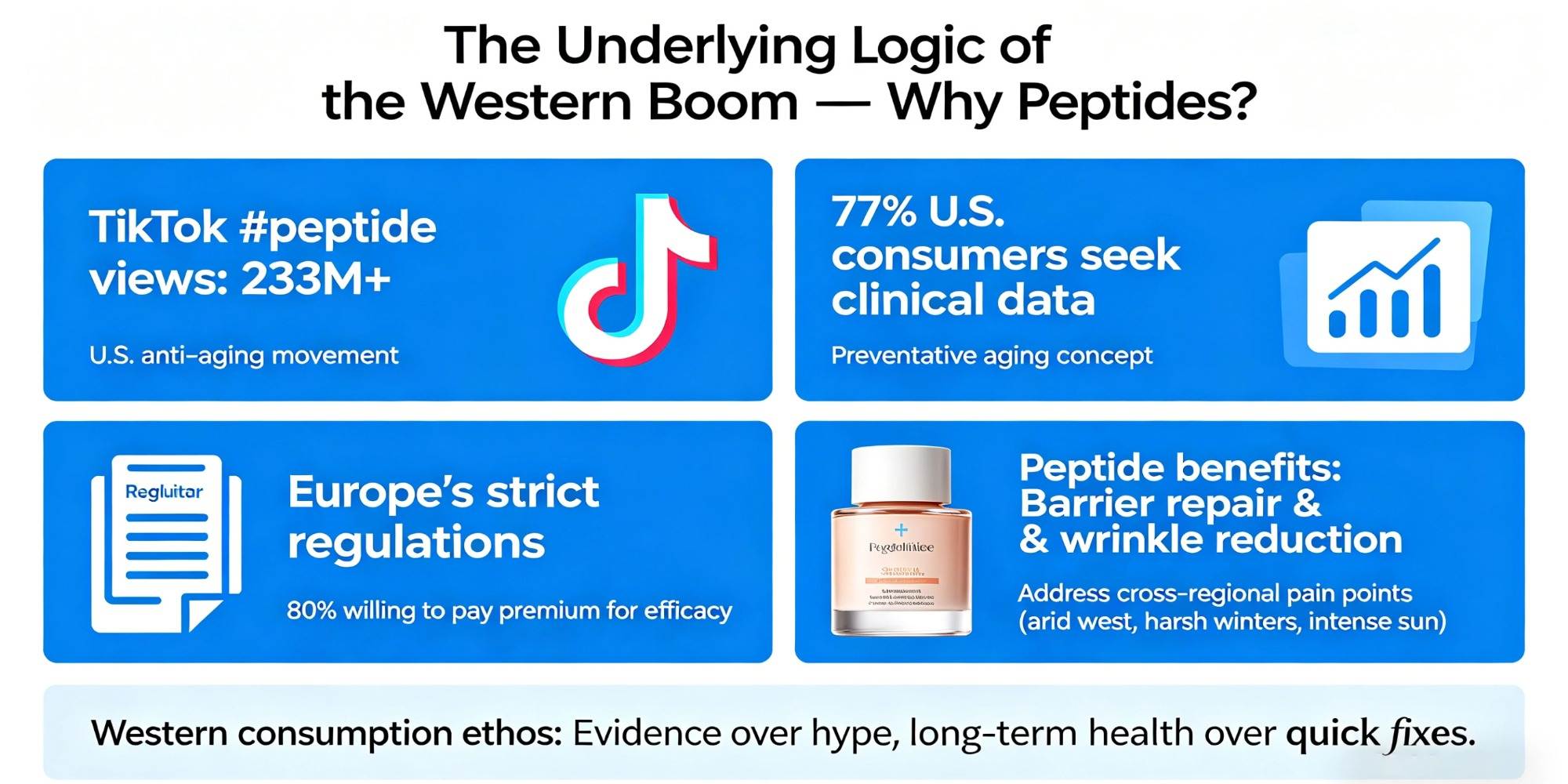
The surge in European and American markets is no coincidence. In the United States, the hashtag #peptide has garnered over 233 million views on TikTok, fueling a nationwide anti-aging movement. 77% of U.S. consumers actively seek clinical data before purchasing, and the concept of "preventative aging" is deeply ingrained. In Europe, growth is driven by the world's strictest regulations and a consumer base where 80% are willing to pay a premium for scientifically validated efficacy. Whether it is the arid climate of the American West, the harsh winters of Northern Europe, or the intense sun of Southern Europe, peptides' dual-action benefits of "barrier repair and wrinkle reduction" perfectly address cross-regional pain points. In short, peptides align with the Western consumption ethos of "evidence over hype and long-term health over quick fixes."


Premium Private Label Formulation


3. Evolution and Technological Trends — From Luxury Ingredient to Foundational Infrastructure

Peptides have undergone a historic shift from pharmaceutical-grade "luxury ingredients" to mass-market accessibility and scientific transparency. Disruptor brands like The Ordinary have driven prices down to the $10–$20 range, while social media has turned ingredient transparency into the most compelling sales narrative. Looking ahead, four key trends will define the winners: First, a structural shift from "reversing aging" to maintaining "functional longevity." Second, the rise of Cyclic Peptides, which offer superior penetration (CAGR of 11.89%). Third, the deep integration of Biomimetic Peptides with the Microbiome. Fourth, the emergence of Gold-Enhanced Peptides in luxury scientific skincare. For OEM/ODM manufacturers, establishing a competitive moat requires a strategic bet on these technological frontiers.


luxury grade ingredients


4. Formulation Application and Blending Reference — Common Industry Practices

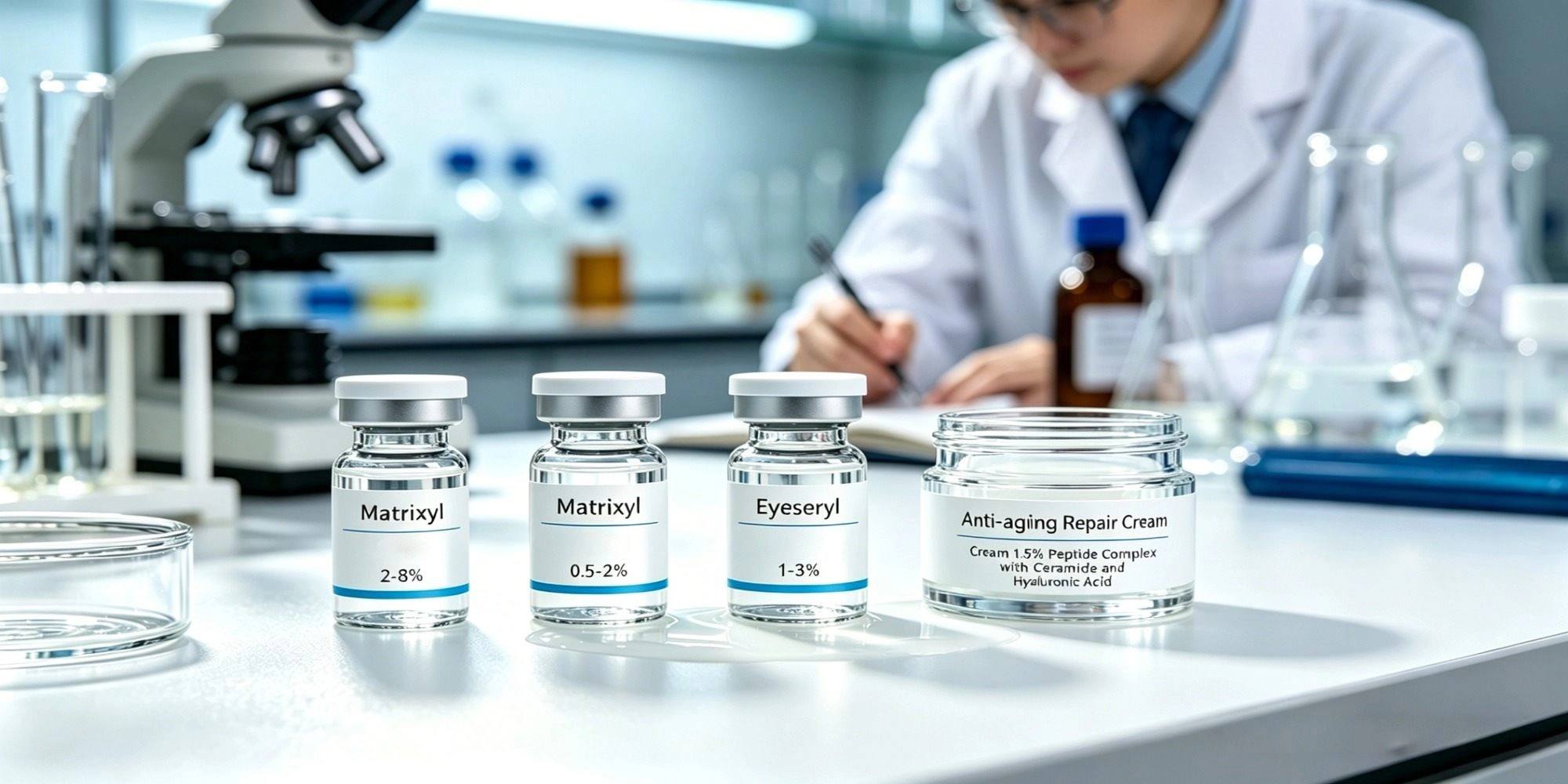
In formulation practice, peptide selection and dosage vary significantly by product category and target claim. Based on publicly available product disclosures and industry benchmarks, common approaches include facial serums targeting firming and wrinkle reduction (often utilizing Matrixyl or Argireline variants in the 2–8% range); creams formulated for dual anti-aging and barrier support, frequently combining peptides with ceramides or hyaluronic acid (1–5%); eye-area formulations addressing expression lines and puffiness (Eyeseryl or similar, typically 1–3%); and rinse-off or treatment masks incorporating copper peptides for repair-focused applications (0.5–2%). Peptides also exhibit broad compatibility with complementary actives—combinations such as peptides with ceramides and amino acids for barrier support, or peptides with encapsulated retinol for balanced anti-aging regimens, are increasingly documented in commercial formulations. Manufacturers with established formulation libraries may offer accelerated development pathways, though specific product performance remains subject to independent clinical evaluation and stability testing.


Matrixyl peptide ingredient vial for anti-aging serums, similar to peptides used in luxury skincare brands, OEM formulation raw material


5. Market Communication Considerations — Observations on Western Consumer Preferences

Marketing communication in Western markets tends to favor evidence-based narratives over abstract or emotional claims. Observed consumer behavior—particularly in the U.S. and Europe—suggests that efficacy claims supported by third-party clinical data, before-and-after case studies, and transparent ingredient disclosure resonate more effectively with informed audiences. Additionally, positioning peptides within the broader "skin longevity" framework, rather than hyperbolic anti-aging language, appears increasingly aligned with consumer sentiment. For brand development, this suggests an opportunity to segment offerings across price tiers—from accessible entry-level formulations to premium, technology-differentiated lines—while ensuring that marketing collateral (including ingredient summaries, key claim language, and supporting test documentation) is both substantiated and regionally compliant. Manufacturers that can facilitate this evidence-to-claim pipeline may reduce the compliance burden for brand partners, though ultimate responsibility for marketing claims rests with the brand owner.


6. Conclusion and Actionable Guide for Manufacturers


Peptides are no longer an optional ingredient; they are foundational infrastructure. For OEM/ODM manufacturers, the product strategy must align with market positioning: "Palmitoyl Tripeptide" combinations for entry-level brands and "Copper Peptides + Cyclic Peptides" for premium offerings. Cost control is achieved through economies of scale and formulation reuse, enabling clients to achieve a luxury feel at accessible price points. Marketing enablement spans from compliance certifications (FDA/CPNP) to building a scientific narrative. The opportunity in the peptide sector lies in technological differentiation (Cyclic Peptides), formulation flexibility (Peptide+), and full-category coverage. For those seeking rapidly deployable formulations or tailored solutions for the US, Europe, or Middle East, this is the optimal window for market entry.

Disclaimer: This article is for industry analysis only and does not constitute professional formulation, medical, or legal advice. Formulation percentages cited are general industry references and should be independently verified for specific product development. The author assumes no liability for actions taken based on this content.


From Concept to Launch How the Right OEM/ODM Partner Accelerates Your Market Success

For skincare brands, the gap between a great idea and a successful market launch is filled with complexity. In a fast-paced global market, speed, compliance, and flawless execution are non-negotiable. This is where a manufacturing partner evolves from a simple supplier into a critical driver of your growth. A true OEM/ODM partner provides the integrated expertise and infrastructure to not just make your product, but to de-risk the entire journey and accelerate your path to market. Here’s how a collaborative partnership makes the difference. 

1. Translating Your Vision into Viable Science

The Client’s Challenge: You’ve identified a market opportunity or have a novel concept, but lack the in-house scientific capability to develop a stable, effective, and manufacturable formula that meets regulatory standards.

Our Role as Your Partner: Think of our Ph.D.-led R&D team as an extension of your own. We move beyond simply executing a brief to active co-development. By leveraging insights from global trend analysis and a proprietary library of over 3,000 proven formulas, we help refine your concept into a product with a clear competitive edge—whether that’s creating a COSMOS-compliant “clean” formula for Europe or optimizing for humidity stability in Southeast Asian climates.


2. Streamlining the Path to Market

The Client’s Challenge: Coordinating multiple vendors for ingredients, packaging, testing, and compliance drains resources, creates bottlenecks, and delays critical launch timelines.

Our Integrated System: We provide a seamless, single-point-of-contact process. Our workflow integrates global raw material sourcing, packaging development, in-house stability and efficacy testing, and regulatory guidance. This “concept-to-carton” integration allows parallel development streams, which can reduce your time-to-market by 30-50%, enabling you to capitalize on trends with precision.


3. Mitigating Risk with Built-In Quality

The Client’s Challenge: Your brand’s reputation is paramount. A single quality issue can have severe consequences, making absolute confidence in your manufacturer’s controls essential.

Our Foundation of Trust: Confidence comes from transparent systems, not promises. Our multi-stage “Five-Pillar” Quality Control system—spanning from pre-production verification to complete batch traceability—is designed as your brand’s risk mitigation framework. Investment in 100,000-class GMPC cleanrooms and exhaustive compatibility testing ensures product integrity is assured, allowing you to focus on brand building.


4. Enabling Cost-Effective Scaling

The Client’s Challenge: Achieving competitive costs and smoothly scaling production is difficult without significant purchasing power or deep manufacturing expertise.

Our Scalable Advantage: Our scale and expertise become your leverage. Through high-volume production lines and strategic raw material partnerships, we help optimize your bill of materials (BOM) without quality compromise. Our experience in design-for-manufacturability ensures a fluid transition from small pilot batches to full commercial production, supporting your growth at every stage.


5. Building a Partnership for Long-Term Evolution

The Client’s Challenge: Markets and consumer preferences constantly shift. You need a partner that can help you iterate, innovate, and expand your portfolio to stay ahead.

Our Commitment to Your Growth: We position ourselves as a long-term growth ally. Beyond the initial launch, we serve as an ongoing resource for insights on emerging ingredients, sustainable material options, and format innovations. From line extensions to entering new categories, we provide the reliable infrastructure and collaborative partnership to help your brand evolve for sustained success.


Conclusion & Call-to-Action

Selecting a manufacturing partner is a strategic choice that directly impacts your brand’s trajectory. In today’s global landscape, an integrated partner like Aisen does more than manufacture—we accelerate, de-risk, and enable scalable growth.

Is your brand ready to shorten its path to market?

Explore our OEM/ODM Capabilities Overview to see our full process.

Contact our partnership team to discuss your specific product and market goals.


Request a consultation to analyze your concept and timeline.

Red Line or Blue Ocean? Industry Insights and Technological Outlook for Exosomes as an Emerging Component

The Shift: From Feeding Skin to Talking to Cells

As science pushes the boundaries of skincare, the conversation is moving from simply feeding the skin toward direct cellular communication. Exosomes—nature's own nanoscale couriers—have drawn global attention, with the exosome skincare market projected to grow from USD 685 million in 2025 to USD 1.98 billion by 2032. While still in a regulatory exploratory phase in China, the underlying science and commercial momentum offer a compelling long-term direction for forward-looking industry professionals.


Futuristic 3D rendering of glowing orb representing cellular communication in advanced skincare biotechnology


What Are Exosomes? Nature's Nanoscale Messengers

What are exosomes? These are tiny vesicles, roughly 30–150 nanometers in diameter, secreted by nearly all cell types. They carry bioactive molecules—proteins, nucleic acids—and transmit signals between cells, guiding target cells toward specific behaviors such as initiating regenerative programs. Simply put, most skincare delivers ingredients; exosomes deliver instructions. This fundamental difference has positioned exosomes at the forefront of global skincare research, with applications spanning anti-aging, skin rejuvenation, barrier conditioning, and tone management—categories that collectively drive the market toward an estimated USD 5.16 billion by 2033.


Microscopic view of skin cells releasing glowing exosome vesicles carrying protein signals


Three Sources: Animal, Plant, and Bioengineered Exosomes

Current exosome materials fall into three main categories. First, animal- or human-derived exosomes are primarily sourced from stem cells. Stem cells can consistently secrete highly active exosomes, but ethical and regulatory constraints largely limit their application to regenerative medicine. Second, plant-derived exosomes are extracted from botanicals like centella asiatica, ginseng, and apple. Their key advantage is extremely low immunogenicity—they rarely trigger adverse reactions—and they account for over 90% of the cosmetic exosome market due to more navigable compliance pathways. Third, bioengineered exosomes mimic natural structures via biotechnology to encapsulate specific actives, an approach still in early-stage exploration.


Three glass vials in a clean laboratory representing stem cell, plant-derived, and bioengineered exosome sources


How Exosomes Work: Signal Transduction and Cellular Renewal

The core mechanism of exosomes is signal transduction. Rather than providing direct nutrition, they communicate with target cells to awaken intrinsic renewal pathways. In skin-related in vitro studies, exosomes have shown potential to help support the synthesis of collagen and elastin, visibly improve the appearance of fine lines, help calm visible redness, condition the skin barrier, and promote a more even, radiant complexion. Their nanoscale lipid bilayer structure—similar to skin cell membranes—also supports efficient delivery of labile ingredients. Plant-derived exosome-like nanovesicles have attracted particular interest for topical formulation, offering a compelling balance of bioactivity and safety. Note: the above is based on published academic research; exosome ingredients are not yet approved for cosmetic use in China.


Cross-section of human skin showing exosomes penetrating dermis and stimulating collagen production


Our Manufacturing Readiness: GMPC Infrastructure and Formulation Expertise

As a contract manufacturer with over twenty years of skincare R&D and production experience, we closely monitor emerging ingredients and technological developments. While exosomes are not yet applied in cosmetics in China, the core technical directions—nanovesicle encapsulation, active stabilization, and transdermal delivery—are conceptually aligned with our formulation expertise in dosage form development. We have extensive practical experience in active ingredient stability, compatibility, and sensory optimization, and we continue to follow advancements in microencapsulation delivery systems across the industry. Our capabilities are supported by a library of over 3,000 mature formulas and a Class 100,000 GMPC cleanroom with an RO/EDI ultrapure water system (≤2 μs/cm), providing a solid foundation for high-potency ingredient development. For brands planning ahead, our facility is equipped to support pilot-scale development and large-volume production—with daily output reaching 100,000 units for standard skincare and 200,000 pieces for masks—ensuring both speed and consistency when regulatory conditions align.


Looking Ahead: Prepared for the Next Frontier

Exosomes illustrate one possible evolution from ingredient stacking toward biological signal modulation in skincare. Although the commercial pathway in China awaits further regulatory clarity, the underlying logic—nano-delivery, precision control, and active protection—has become an irreversible direction for high-performance skincare. For those of us in the supply chain, the task is to maintain curiosity toward frontier science while diligently refining our foundational capabilities. When the opportunity fully opens, only the prepared will be ready to step forward—and with our existing GMPC infrastructure and formulation experience, we are building that readiness today.

Compliance Disclaimer: This article is intended solely for the purpose of introducing industry technical developments and facilitating academic exchange. It does not constitute any product or business recommendation. To date, no exosome-related cosmetic ingredients or products have been approved in China, and it is strictly prohibited for any enterprise to produce or market exosome-related products under the guise of cosmetics.

— Aisen Skincare Manufacturing

Contract Manufacturing & Private Label Solutions

The 5 Critical Quality Control Pillars in Skincare OEM Your Brand's Invisible Shield

In the skincare industry, a product's success hinges not only on a compelling concept but on precision that leaves no room for error. When you choose an OEM partner, you are entrusting them with the most valuable asset you have: your brand's reputation. A truly professional manufacturer's worth is defined not merely by its ability to produce, but by a comprehensive, reliable, and often invisible quality assurance system that far exceeds basic standards. This system acts as an unwavering shield for your brand. Let's explore the five core quality control pillars at Aisen that embody this commitment to being your most reliable solutions partner.


advanced skincare formulation


Pillar 1: Pre-Production Verification | Building the Foundation

  • Our Professional Process: Quality control begins long before production starts. We rigorously screen every incoming batch of raw materials, conduct daily tests on our ultra-pure water (produced via Reverse Osmosis + EDI systems), and perform bi-weekly checks on air cleanliness in our facilities. This establishes the first, crucial line of defense against contamination.
  • Your Assurance & Solution: This proactive approach ensures your product is formulated and manufactured on a foundation of purity and stability. It systematically eliminates batch risks originating from raw materials or the production environment, providing a predictable and secure starting point for every order.


deionized water for cosmetics


Pillar 2: R&D & Formula Validation | Science Over Claims

  • Our Professional Process: In our labs, every new formula undergoes a gauntlet of scientific validation—from 720-hour stability challenge tests and in-vitro efficacy assessments to human clinical trials and consumer perception studies. Led by our Ph.D. team, this rigorous protocol is our scientific promise of efficacy and safety, exceeding mere compliance.
  • Your Assurance & Solution: You receive more than a formula; you receive a data-backed dossier of evidence. This empowers your brand with confidence in its efficacy claims, ensuring the product core is trustworthy and designed to withstand market and regulatory scrutiny.


serum formulation expert


Pillar 3: In-Process Monitoring | Precision in Motion

  • Our Professional Process: Within our 100,000-class GMPC-certified cleanrooms, quality is dynamically safeguarded. Experienced process engineers and QC inspectors monitor every critical step—from emulsification parameters to filling accuracy. State-of-the-art automated equipment minimizes human error, guaranteeing exceptional consistency across all batches.
  • Your Assurance & Solution: Whether your order is large or small, your products are manufactured in a consistently controlled environment. This pillar guarantees remarkable batch-to-batch uniformity, protecting your brand's reputation for consistent quality and performance.


ISO 22716 certified facility


Pillar 4: Packaging Compatibility Testing | The Detail That Defines Experience

  • Our Professional Process: Packaging is not just a container; it is an integral part of the product system. We subject all packaging to exhaustive testing for seal integrity, compatibility with formulations, and functional performance to prevent interactions like leaching, degradation, or compromised efficacy over the product's shelf life.
  • Your Assurance & Solution: This meticulous testing directly prevents customer complaints related to leaks, spoilage, or texture changes caused by packaging. It safeguards your brand image and ensures the end-consumer enjoys the perfect experience you designed.


packaging seal integrity testing


Pillar 5: Comprehensive Sample Retention & Traceability | Accountability for Every Single Unit

  • Our Professional Process: We maintain a systematic sample retention program for raw materials, semi-finished, and finished goods, preserving them for at least one year past the product's expiration date. This is our gold standard for internal traceability, allowing us to pinpoint and investigate any issue back to its specific batch origin with precision.
  • Your Ultimate Assurance & Solution: This system provides unparalleled peace of mind. In the rare event of a market inquiry, it enables swift, accurate, and responsible joint problem-solving with your team, dramatically reducing your brand's potential risk and crisis management costs.


what is a sample retention program


A professional OEM partnership is an extension of your brand's promise. At Aisen, these five interconnected quality control pillars form a reliable, closed-loop system. This is not just a manufacturing procedure; it is our core commitment as your solutions partner to protect and enhance your brand's value. Choosing us means choosing a foundation of trust, where your vision is guarded by an invisible shield of unwavering quality.