Polypropylene spunbond nonwoven fabric

Polypropylene (PP) spunbond nonwoven fabric is a tough, versatile, and waterproof textile made from polypropylene. The raw material is stretched at high temperatures and polymerized into a web structure. This web is then firmly bonded to the fabric through a thermal bonding process. The production process for this fabric is relatively simple and yields large quantities. Due to its durability, breathability, UV resistance, moisture resistance, and tear resistance, it is widely used in various fields, including medical products, hygiene products, and packaging.

Spunbond Nonwoven Fabric Production Process:


This is a commonly used method for producing polymer layup nonwoven fabrics. The method employs melt spinning technology. In this method, molten material is generated by a spinning pump through a spinneret. The spinneret is equipped with cooling air ducts to deliver cold air to cool the fibers. Additionally, room temperature air is continuously supplied to the machine during production. Finally, the material is deposited on a screen belt in a web structure. The particle size of the web structure is random. The material layer below the conveyor belt extends downwards and is then transported by the conveyor belt to the fiber bonding zone. There, depending on the fabric's properties and materials, the mesh is bonded using chemical, mechanical, or thermal bonding methods. However, thermal bonding is the most commonly used bonding technology.

Property-bonded polypropylene nonwoven fabric characteristics:


Compared to woven fabrics, spunbond fabrics possess several unique properties that make them a preferred choice across various industries:


Strength and Durability: This fabric boasts high tensile and tear strength, making it robust, durable, and resistant to abrasion. Carefully designed to withstand the harsh conditions of a wide range of applications, ensuring your products remain intact throughout their entire lifespan.

Breathability and Comfort: The fabric's breathable structure provides excellent ventilation, making it an excellent choice for applications requiring comfort and breathability.

Lightweight: Despite its high strength, it is lightweight, making it easy to handle, transport, and use in a variety of applications.

Hydrophobicity: The fabric protects your products from moisture and humidity, ensuring their quality and shelf life.

Waterproof: Suitable for applications with extremely high moisture resistance requirements. From protective clothing and medical supplies to outdoor furniture covers, it provides reliable waterproofing without compromising comfort and breathability. It is one of the best waterproof fabrics on the nonwoven market.

UV and Chemical Resistance: Resists harmful UV rays and various chemicals, ensuring durability and reliability in outdoor environments.

Biodegradable: Offers biodegradable fabric options, making it an environmentally friendly choice. These biodegradable fabrics naturally degrade over time, reducing environmental impact.

PP spunbond nonwovens are widely used in:


Hygiene Products:


Disposable diapers and sanitary napkins: Suitable as a surface layer due to its softness, waterproofness, and breathability.

Medical Non Woven: Masks, caps, protective clothing, and shoe covers, due to their barrier properties and comfort.

Packaging:


Packaging non woven bags and materials: Used in agriculture (crop mulch), shopping bags, and protective packaging due to its high strength and moisture resistance.

Construction:


Geotextiles: Due to their high strength, good filtration performance, and UV resistance, they can be used for reinforcement in road construction, erosion control, and landscaping.

Insulation Materials: Commonly used in roofing materials and wall insulation due to their thermal insulation properties.

Automotive Industry:


Interior Components: Used in door panels, trunk linings, and headliners due to their durability, sound insulation, and flexibility.

Furniture and Bedding:


Mattresses and Furniture Upholstery Non Woven: PP spunbond nonwoven fabric is used as a barrier material, lining, and dust cover.

Agriculture Non Woven:


Crop Protection: Covers crops to protect against frost, insects, and UV radiation while allowing air and water penetration.

Summary:


Polypropylene (PP) nonwoven fabric is a versatile and essential material widely used in numerous industries. Its unique properties make it ideal for products that combine strength and flexibility. The production process of PP nonwoven fabric is relatively complex, but technological advancements are making its production more efficient and sustainable.


With the continued growth in global demand for polypropylene (PP) nonwoven fabrics, manufacturers are working to improve production processes and develop new technologies to enhance product quality and sustainability.


For companies looking to incorporate PP nonwoven fabrics into their products, understanding their properties, production processes, and market trends is crucial for making informed decisions. Whether in healthcare, agriculture, or packaging, PP nonwoven fabrics offer cost-effective and sustainable solutions to meet the needs of today's industries.

Tablecloths commonly used in hotels and restaurants.

Non-woven tablecloths, with their unique properties and multiple advantages, have become the ideal choice for the hotel and catering industry.


This product is soft and comfortable to the touch, possesses hydrophobic properties, and does not easily absorb water or soften.  It is aesthetically pleasing and available in a variety of colors, while also being hygienic and recyclable.  Therefore, market demand is strong, and it is widely used in the catering service industry, from restaurants and various events and celebrations to everyday home use.

Why choose non-woven tablecloths?

Hotel and catering professionals understand that tablecloths directly impact customer perception of quality. Traditional fabric tablecloths have a limited lifespan and are difficult to maintain in good condition.


Due to high washing costs and the susceptibility of fabric tablecloths to damage, many professionals are turning to paper and non-woven tablecloths. These products are disposable, easy to lay and remove, and offer significant advantages in table service. Today, PP spunbond non-woven tablecloths have become the mainstream choice in the catering industry.

Why use non-woven fabric for tablecloths?

Non-woven fabric is made by directly bonding fibers together, without the need for spinning, resulting in high strength and a range of unique properties: good water resistance, a comfortable feel, and antibacterial properties.  Therefore, it is also widely used in other disposable products, such as sanitary products and personal care products.


Price

This product is economical and offers excellent value for money.


User Perception of Quality

If customers see paper tablecloths or old, repeatedly washed tablecloths, their impression of the restaurant will be significantly diminished. Non-woven tablecloths, on the other hand, create an elegant and clean dining atmosphere.


Diverse Designs

We offer a variety of designs and colors, allowing for flexible matching with napkins (airlaid, paper, or spunlace non-woven), tableware, and venue decorations, aligning with brand image and communication needs.


Quality

In recent years, this type of fabric has been continuously upgraded, becoming a high-quality product with a soft feel and high hygiene standards.

Saving Time and Costs

Using spunbond polypropylene (PP) non-woven tablecloths can significantly save time and money and improve operational efficiency. Collecting, washing, and ironing fabric tablecloths and napkins adds extra costs, but the use of non-woven tablecloths eliminates these expenses. Therefore, spunbond polypropylene tablecloths are widely popular in the HORECA sector, offering significant advantages and more competitive pricing compared to traditional fabrics.


Non-woven tablecloths are becoming increasingly important in the catering, event planning, and hospitality industries, gradually replacing traditional fabric tablecloths.


Whether for family meals or commercial venues, non-woven tablecloths provide a modern, colorful, and economical way to perfectly set the table.


What we offer is not a temporary substitute, but a practical tablecloth that can "unfold" a novel style on the dining table.


Are non-woven tablecloths customizable?

Personalization is one of the outstanding advantages of disposable tablecloths: restaurants, guesthouses, etc., can use custom-made non-woven tablecloths to match their brand style.


Disposable non-woven tablecloths can be printed with event logos or promotional slogans, transforming them into effective brand promotion and marketing tools.

Can non-woven tablecloths effectively replace traditional tablecloths?

Yes, both have their own strengths. Disposable non-woven tablecloths offer both convenience and a comfortable, fabric-like feel, while also possessing the following characteristics:


Higher durability


High strength


Absorbent

They can flexibly adapt to various needs, from simple everyday occasions to large celebrations.


What are the advantages of non-woven tablecloths?

Compared to traditional tablecloths, non-woven tablecloths perform similarly in many aspects: they are soft and lightweight, washable, and offer the significant advantage of being disposable.


Our products are also available in a variety of colors to meet customer needs, making it easy to differentiate between different uses and allowing for changes according to seasons, holidays, or themes, adding flexibility and fun to the table setting.

The Importance of Container Loading

Container loading is a crucial step, and based on our years of experience in nonwoven fabric container loading, we'll explain the intricacies involved.

Loading containers may seem simple, but an orderly and safe loading method is essential for cargo safety and transportation efficiency.


Container loading is a meticulous process requiring precision, attention to detail, and comprehensive consideration. From stacking and arranging goods to securing them, every decision is critical to successful transport. Proper loading techniques not only ensure cargo safety but also reduce costs and facilitate unloading.


We calculate based on the customer's required quantity, specifications, and colors to provide a suitable stacking method that ensures cargo safety, reduces the risk of collapse, and makes the best use of every space to maximize cargo capacity.


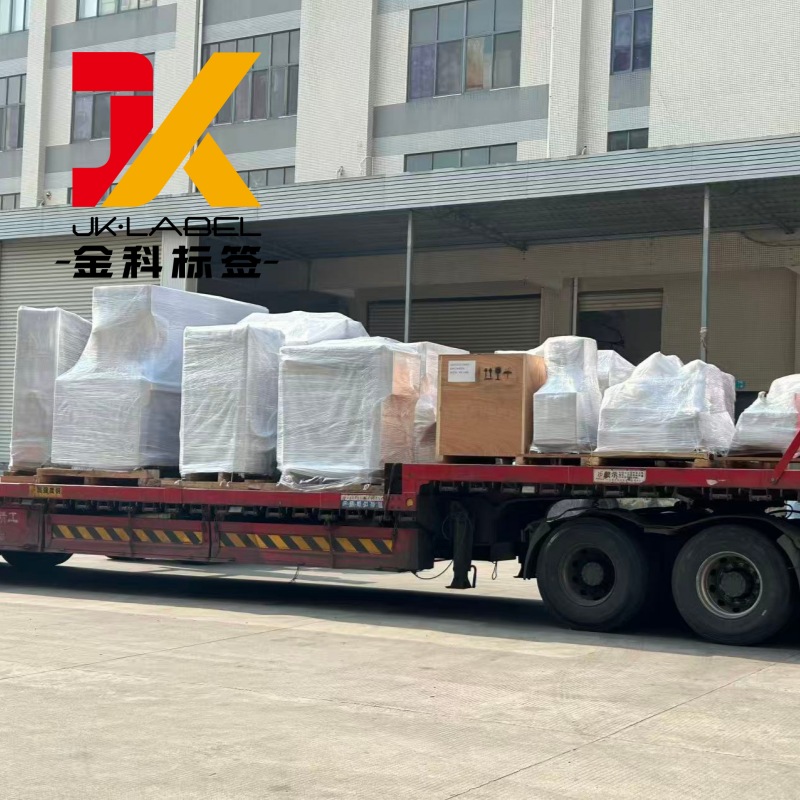
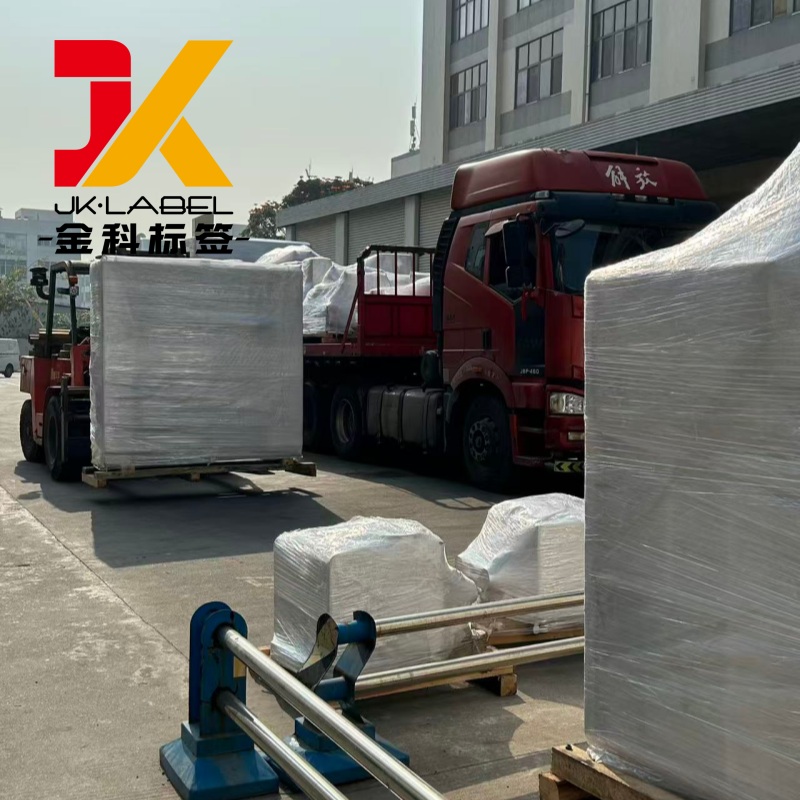
Below are photos of on-site container loading we conducted for our nonwoven fabric clients after resuming operations following the Chinese New Year holiday, each container loaded according to the client's specific needs.

The uses of non-woven fabric bed sheets

Non-woven bed sheets are fabric-like sheets made using a non-woven process, where fibers are directly bonded together through adhesive or mechanical reinforcement. They are soft, breathable, waterproof, and easy to maintain hygiene, making them widely used for disposable sanitary protection in massage, beauty, and medical fields, effectively preventing cross-contamination. The materials commonly used include synthetic fibers such as polypropylene (PP), and versions made from natural fibers like cotton are also available.

Materials and Process

The production process of non-woven bed sheets mainly includes wet-laid web formation, spunlace reinforcement, and thermal bonding.  Depending on the application, they can be divided into durable and disposable types, meeting the needs of both home use and professional settings.

Main Advantages

Lightweight and environmentally friendly: Lightweight texture, naturally biodegradable after use, and environmentally friendly.


Comfortable and safe: Breathable and waterproof, soft and skin-friendly, non-toxic and odorless, and usually flame-retardant, without irritating the skin.


Aesthetically pleasing and versatile: Easy to print and dye, with a wide range of colors and strong decorative properties.


Hygienic and convenient: Disposable for easy use and no cleaning required, effectively protecting against liquids and contaminants, suitable for high-frequency replacement scenarios.

Application Scenarios

Medical facilities: Used to cover examination beds, stretchers, etc., ensuring hygiene and safety.


Beauty and health services: Used for massage, facial treatments, hair removal, etc., providing clean and comfortable disposable protection.


Hotels and healthcare institutions: Used as sanitary bed sheets in hotels, nursing homes, spas, etc., improving service hygiene standards.

Summary

With their lightweight, environmentally friendly, hygienic, and easy-to-use characteristics, non-woven bed sheets are an ideal choice for maintaining a professional and hygienic environment in medical, beauty, and various service industries. They enhance the comfort and safety of users and provide service institutions with an efficient and convenient hygiene management solution.

These are everyday non-woven fabric products.

Non-woven fabrics, with their diverse properties, bring great convenience to daily life. They can be made into highly durable products or used as disposable or short-term fabrics, possessing a wide range of functions including water absorption, resilience, liquid repellency, stretchability, strength, softness, flame retardancy, comfort, washability, antibacterial properties, filtration, and sterility.


Manufacturers can flexibly combine these characteristics according to user needs to develop products with specific functions, usually at a good price-performance ratio. Despite the significant advantages of non-woven fabrics, many people still have limited knowledge of them and are unaware of the important and indispensable role they play in daily life.

The following are some typical applications of non-woven fabrics in daily life:


Examples of Common Non-woven Fabric Products


Bed Sheets

Disposable non-woven bed sheets are soft to the touch, do not damage surfaces, and are 100% biodegradable, combining environmental protection, hygiene, and aesthetics at an economical price.

Agricultural Non-woven Fabrics

This is a lightweight, durable, and breathable material widely used for weed control, crop covering, and protecting plants from harsh weather and pests. It allows air and moisture to pass through while suppressing weed growth and reducing water evaporation, helping to improve crop yield and quality, and reducing reliance on pesticides and labor, thus lessening the environmental burden.

Non-woven Tablecloths

Combining durability and disposability, they are suitable for everyday and special occasions. These tablecloths are soft, absorbent, and lightweight, and can also be made from washable or flame-retardant materials as needed, offering good practicality.

Furniture Non-woven Fabrics

Due to their lightweight, tensile strength, tear resistance, breathability, and durability, they are often used in mattress padding, dust covers for sofas and bed frames, and the inner layers and sides of pocket spring mattresses. They provide structural support while also being economical and practical.

Non-woven Bags

These are mostly made from non-woven materials such as polypropylene (PP), polyester (PET), or nylon, reinforced through thermal, chemical, or mechanical methods to create a fabric with a certain thickness and strength, and then cut and sewn. They are widely used for daily shopping and item storage. Laundry Dryer Sheets

Most people have used dryer sheets, which are typically thin, anti-static, and heat-resistant. They slowly release fabric softener and fragrance during the drying process, improving the softness and freshness of clothing.

Medical Products and Supplies(SMS / SMMS Non Woven

The most typical applications of non-woven fabrics in the medical field include disposable surgical gowns and surgical drapes. They effectively block bodily fluids and blood, providing a reliable sterile barrier, helping to reduce the risk of surgical site infections (SSIs) and hospital-acquired infections (HAIs), and minimizing disease transmission.

Conclusion

Non-woven fabrics have become deeply integrated into all aspects of home life, from cleaning and filtration to environmental decoration. In kitchens, bedrooms, living rooms, and dining rooms, they provide practical, comfortable, safe, hygienic, and aesthetically pleasing solutions for modern living.


With continued development in the home and office sectors, non-woven fabrics have not only enhanced people's understanding of fabric functionality but also expanded the boundaries of material applications. Their potential is still being unleashed, continuously bringing more innovation and value to daily life and related industries.

What are non-woven bags made of?

What are non-woven bags made of?

Non-woven fabric, also known as non-woven material, is composed of oriented or randomly arranged fibers. It is a new generation of environmentally friendly material. It has the characteristics of moisture resistance, breathability, flexibility, light weight, non-flammability, easy decomposition, and non-toxicity. The material is made from granules as raw materials, which are melted at high temperature, spun, laid out, and hot-pressed in a continuous one-step melting process.

It is called fabric because of its appearance and certain properties.

Non-woven bag manufacturing:


Non-woven bags are non-woven fabric products. Non-woven bags are colorful, bright and vibrant, fashionable and environmentally friendly, versatile and beautiful, with diverse patterns and styles, and are lightweight, environmentally friendly, and recyclable. They are environmentally friendly products that protect the earth's ecosystem.

They are suitable for agricultural films, shoemaking, leather goods, mattresses, quilts, decoration, chemicals, printing, automobiles, building materials, furniture and other industries, as well as clothing linings, disposable surgical gowns, masks, hats, sheets, disposable tablecloths for hotels, beauty, sauna, and even today's fashionable gift bags, boutique bags, shopping bags, and advertising bags. They are environmentally friendly products with a wide range of uses and affordable prices.

What are the advantages of non-woven bag fabrics?


Durable, disposable. Insulating, non-conductive. Softness and stiffness. Fine and bulky. Isotropic and anisotropic. Filtration, breathability, impermeability. Elasticity, rigidity. Lightweight, loose, warm. Thin as a cicada's wing, thick as felt. Waterproof and breathable. Ironing, sewing, molding. Flame retardant, anti-static. Breathable, waterproof, wear-resistant, soft. Wrinkle-resistant, good elasticity, high moisture absorption and water repellency.

What are non-woven bags?

Non-woven bags are primarily made from non-woven fabrics such as polypropylene (PP), polyester (PET), or nylon. These materials are bonded together through heat treatment, chemical treatment, or mechanical reinforcement methods to form a fabric with a certain thickness and strength. The fabric is then cut and sewn to create the non-woven bags commonly used in our daily lives.

Features of Non-woven Bags


1. Durability: The fibers of non-woven bags are tightly interwoven, giving them resistance to wear, friction, and tearing, resulting in a longer lifespan compared to plastic bags.


2. Reusability: Due to their well-designed structure, sufficient material usage, and fine workmanship, non-woven bags can be reused multiple times, making them more economical and environmentally friendly than plastic bags.


3. Customizability: Non-woven bags can be made in various sizes and colors, and printed with flexible patterns, allowing for creative designs to meet different needs and preferences.


4. Reduced Environmental Impact: Non-woven bags are made from recycled materials, and their production process is pollution-free. They also help raise environmental awareness and showcase brand image, making them a wise choice for environmental protection.

Applications of Non-woven Bags


Non-woven bags are widely used in various occasions such as supermarkets, shopping malls, chain stores, trade shows, gift shops, farewell parties, and advertising campaigns, making them a very popular environmentally friendly bag option.

How to Choose High-Quality Non-woven Bags?


1. High-Quality Materials: When choosing high-quality non-woven bags, select products that are thick and have a good texture. Conduct a stretch test to assess the material's thickness, texture, tensile strength, durability, strap reinforcement, and ease of cleaning.


2. Exquisite Craftsmanship: With the development of the non-woven bag market, product quality can vary. To identify high-quality non-woven bags, check every detail, such as edge stitching, corner folding, strap connections, and the alignment of inner and outer film corners.

Development Trends of Non-woven Bags


With technological advancements and increasing environmental awareness, the materials and production processes of non-woven bags are constantly improving. In the future, non-woven bags are expected to achieve greater durability and aesthetic appeal while maintaining their environmental advantages. Furthermore, the growing demand for personalization will make custom-made non-woven bags a trend.


In short, as an environmentally friendly and durable alternative, non-woven bags are gradually becoming a part of our daily lives. Understanding the materials and characteristics of non-woven bags will help us better use and promote this eco-friendly product, thus contributing to the protection of our planet.

What are non-woven fabric masks made of?

The main raw material for non-woven masks is polypropylene (PP) fiber, which is widely used in different functional layers of the mask: spunbond polypropylene is often used to make the strong and breathable outer and inner layers, while electrostatic meltblown polypropylene forms the crucial high-efficiency filtration layer (such as the core layer of N95 masks). In addition, materials such as polyester fibers, natural fibers (such as linen and cotton), and activated carbon for odor absorption can also be used to produce medical or daily protective masks of different protection levels, forming a multi-layer composite structure (such as SMS composite material).

Polypropylene, as a thermoplastic plastic, possesses excellent chemical stability, corrosion resistance, and processing performance. It is made into non-woven fabric through meltblown or spunbond processes, which are the core technologies in the production of non-woven mask fabrics. Non-woven fabrics produced by the meltblown process have finer fibers and higher filtration efficiency, and are mostly used as the intermediate filtration layer of medical masks; non-woven fabrics produced by the spunbond process have better strength and are usually used for the outer and inner layers of masks. To further improve performance, antibacterial agents and electrostatic electret materials may also be added during production to improve filtration efficiency and wearing comfort. The production process and raw material selection of non-woven mask fabrics directly affect the protective performance and user experience of the mask, therefore, there are strict requirements for the quality of raw materials.

The specific composition of non-woven masks varies depending on the type and protection level, but usually uses non-woven fabric as the core material. Its main structure can be divided into the following parts:


Main structure: Usually made of non-woven fabric, there are two common forms: one with a surface of pure cotton degreased gauze or knitted fabric, with non-woven fabric in the middle; the other is directly sewn from non-woven fabric.

Filtration layer: Protective masks usually have a meltblown non-woven fabric as the core filtration layer in the middle layer to block particles. Some masks use a three-layer non-woven fabric structure (such as SMS: spunbond-meltblown-spunbond), where the outer layer is waterproof, the middle meltblown layer performs the filtration function, and the inner layer focuses on moisture absorption and skin-friendliness.

Nose clip: The upper edge of the mask is equipped with a nose clip, generally made of a malleable material (such as a metal strip or environmentally friendly plastic strip), usually no less than 8.5 cm in length, to ensure a tight fit between the mask and the bridge of the nose, improving overall sealing.

Mask straps: Used to secure the mask, often made of non-woven fabric straps, elastic bands, or other elastic materials. The connection points must have sufficient strength.

Other auxiliary materials: Depending on the design requirements, these may also include medical degreased gauze, aluminum strips (for nose clip shaping), dyes, or shaping cotton.


The structure of masks also varies depending on the usage scenario: everyday protective masks have a relatively simple structure, possibly consisting of only a single layer or a double layer of non-woven fabric; while medical or high-efficiency protective masks (such as disposable medical masks) usually adopt a multi-layer design, emphasizing a three-layer protective structure with a waterproof outer layer, a filtering middle layer, and a moisture-absorbing inner layer.

What are the advantages of agricultural nonwoven fabrics?

Agricultural nonwoven fabric is a lightweight and durable material widely used in various fields of modern agriculture, including weed control, crop mulching, and protecting plants from harsh weather and pests. Made using thermal or chemical bonding processes, this material is lightweight, breathable, and durable. It allows air and moisture to pass through while effectively blocking weeds and pests, reducing excessive water evaporation, thus contributing to improved crop yield and quality. Furthermore, its use reduces reliance on pesticides and manual labor, minimizing environmental impact.

Key Features and Advantages


Pest and Disease Control: The fabric's fine pores prevent insects and other pests from contacting the plant, reducing pesticide use.

Winter Protection: Protects plants from frost, hail, and strong sunlight, while maintaining soil structure, preventing erosion, and helping to maintain stable soil temperatures.

Water Management: The breathable structure allows air and moisture circulation, preventing overheating or mold growth in crops and helping to maintain soil moisture, reducing irrigation frequency.

Weed Suppression: Can be used as a physical weeding mat, effectively suppressing weed growth without the need for chemical agents.

Plant Growth Promotion: Accelerates plant growth and increases crop yield by creating a suitable microclimate environment.

UV Resistance: Most agricultural nonwoven fabrics undergo UV stabilization treatment, exhibiting strong weather resistance and resisting aging and degradation under sunlight.

Air and Water Permeability: Excellent air and water permeability ensures adequate oxygen supply to the roots, crucial for overall plant health.

Overall, agricultural nonwoven fabrics, with their economic, environmentally friendly, and efficient characteristics, have brought positive changes to agricultural production. With continuous advancements in materials and processes, nonwoven fabrics are constantly driving agricultural innovation, improving production efficiency, and providing strong support for sustainable agricultural practices.

What are the three main types of non-woven fabrics?

Nonwoven fabrics are primarily classified according to their manufacturing process.  Here are three common types:


Spunbond Nonwoven Fabric

Made by extruding molten polymer into continuous filaments, which are then laid into a fiber web and reinforced through thermal bonding or chemical methods.

It features high strength, excellent uniformity, breathability, and moisture resistance, and is relatively low in cost.

Commonly used in shopping bags, protective clothing, agricultural covering materials, and the outer layer of hygiene products.

Spunlace Nonwoven Fabric

Made by using high-pressure fine water jets to spray a fiber web, causing the fibers to entangle and form a fabric-like material.

It is soft, breathable, and does not use chemical binders in the production process. Its appearance and feel are similar to traditional textiles.

Commonly used in wet wipes, medical dressings, beauty masks, and high-grade cleaning cloths.

Needle-Punched Nonwoven Fabric

Made by repeatedly piercing a fiber web with barbed needles, causing the fibers to mechanically entangle.

It has a fluffy, thick, and wear-resistant structure, similar in texture to felt.

Widely used in carpet backing, filtration materials, geotextiles, and automotive interiors.

In addition to the above three types, nonwoven fabrics include many other manufacturing processes. They are diverse in type and material, each possessing unique properties and applications.